orthomax hospital

Author name: admin

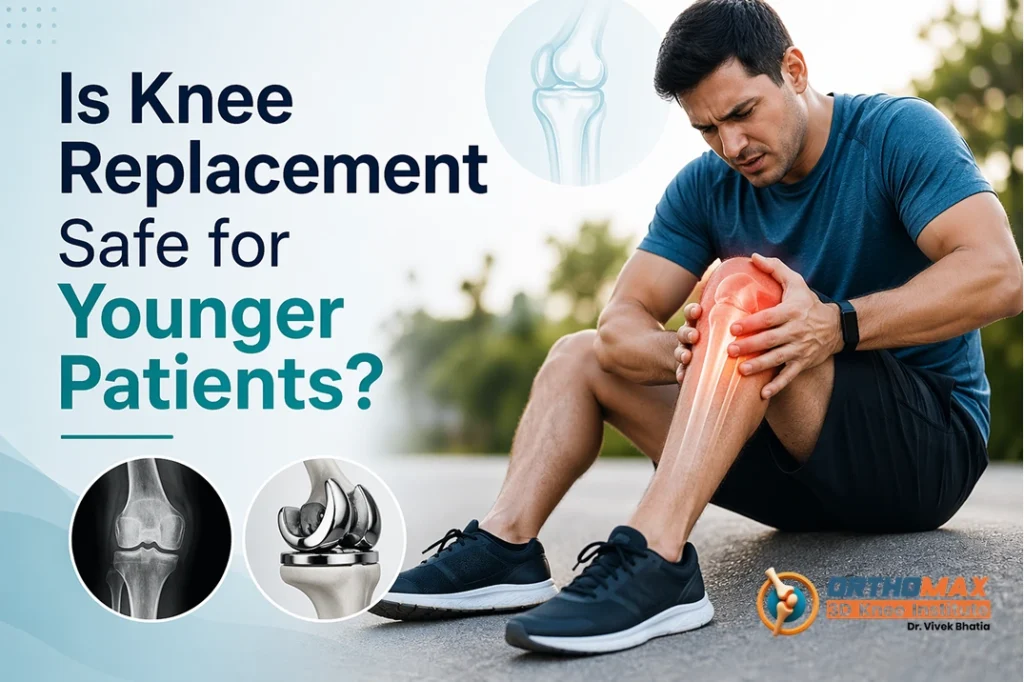
Is Knee Replacement Safe for Younger Patients

Is Knee Replacement Safe for Younger Patients?

Is Knee Replacement Safe for Younger Patients? Knee problems are no longer limited to older adults. Today, many people in their 30s and 40s are dealing with severe joint pain due to lifestyle, injuries, or early arthritis. This raises an important question: what is the knee replacement age limit in India, and is it safe for younger patients to undergo this surgery? The truth is, there is no fixed knee replacement age limit in India. Modern medical advancements have made knee replacement a safe and effective option even for younger individuals when required. However, the decision depends on several factors like joint condition, activity level, and long-term expectations. In this blog, we’ll break down everything you need to know, including safety, risks, success rates, and knee replacement cost India, so you can make an informed decision. Understanding Knee Replacement Age Limit India Traditionally, doctors recommended knee replacement surgery for patients above 60 years of age. But today, this approach has changed significantly. There is no strict knee replacement age limit India, and surgeons now focus more on: Severity of knee damage Level of pain and discomfort Impact on daily activities Failure of non-surgical treatments Key Data & Insights: Around 20–25% of knee replacement patients in India are under 55 Success rates are as high as 90–95% Modern implants last 15–25 years This means younger patients can safely undergo surgery if their condition demands it. Why Younger Patients Need Knee Replacement The increasing demand among younger patients is not surprising. Several factors contribute to early knee damage: 1. Early-Onset Arthritis Due to obesity, genetics, or lifestyle habits. 2. Sports Injuries Ligament tears or cartilage damage can lead to long-term joint issues. 3. Accidents & Trauma Fractures or injuries can accelerate joint wear and tear. 4. Sedentary Lifestyle Lack of movement weakens joints and muscles. In such cases, waiting for an “ideal age” based on the knee replacement age limit India can worsen the condition. Is Knee Replacement Safe for Younger Patients? Yes, knee replacement is considered safe and effective for younger patients when done under proper medical guidance. Benefits: Significant pain relief Improved mobility and flexibility Better quality of life Ability to return to daily activities Risks: Implant wear over time Possible need for revision surgery Activity restrictions Success Rate: 90–95% success rate in India 85–90% implants last over 20 years This shows that safety is not the issue—the key concern is long-term durability. Knee Replacement Cost India: What to Expect Cost plays a major role, especially for younger patients planning long-term care. Average Knee Replacement Cost India: ₹1.5 lakh to ₹5 lakh per knee Robotic surgery: ₹2.5 lakh to ₹6 lakh Government hospitals: More affordable options Factors Affecting Cost: Type of implant Hospital and city Surgeon’s experience Technology used Compared to countries like the US or UK, the knee replacement cost India is significantly more affordable, making it a popular medical destination. Implant Lifespan and Revision Surgery One major concern linked to knee replacement age limit India is how long the implant will last. Implant Lifespan: Typically 15–25 years Younger patients may need a second surgery later Modern Improvements: Durable materials (ceramic, titanium) Robotic precision Better surgical techniques Even if revision surgery is required, the initial procedure can greatly improve quality of life for many years. Alternatives Before Surgery Doctors usually suggest trying non-surgical treatments before opting for knee replacement. Common Alternatives: Physiotherapy Weight management Pain relief medications Knee injections Lifestyle modifications If these methods fail, surgery becomes the most effective solution. Recovery and Life After Surgery Recovery is a key factor in determining long-term success, particularly when it comes to knee surgery and recovery. Recovery Timeline: Walking with support: 2–3 days Daily activities: 4–6 weeks Full recovery: 3–6 months Lifestyle After Surgery: Avoid high-impact activities Maintain a healthy weight Follow physiotherapy strictly Younger patients often recover faster but must maintain discipline to ensure long-term success. Who Should Consider Knee Replacement? Instead of focusing only on the knee replacement age limit India, consider whether you meet these criteria: Ideal Candidates: Severe, chronic knee pain Limited mobility Advanced arthritis Failed non-surgical treatments Not Suitable For: Mild or manageable pain Active infections Unrealistic expectations Pros and Cons for Younger Patients Advantages: Pain-free life Improved movement Better mental well-being Disadvantages: Possible revision surgery Long-term implant care Activity limitations A balanced understanding helps in making the right decision. FAQs 1. What is the knee replacement age limit in India? There is no fixed knee replacement age limit in India. Doctors recommend surgery based on pain level, joint damage, and mobility issues rather than age alone. 2. Is knee replacement safe for younger patients? Yes, knee replacement is safe for younger patients with a success rate of around 90–95% in India. 3. What is the average knee replacement cost in India? The knee replacement cost India ranges between ₹1.5 lakh to ₹5 lakh per knee, depending on the hospital and technology used. 4. How long does a knee implant last? Knee implants typically last between 15 to 25 years. Younger patients may require revision surgery later. 5. Can I live a normal life after knee replacement? Yes, most patients return to normal daily activities within a few weeks, with improved mobility and reduced pain. 6. Are there non-surgical options available? Yes, physiotherapy, medications, and lifestyle changes are recommended before surgery. 7. What are the risks involved? Risks include infection, implant wear, and the need for revision surgery, but these are relatively rare with proper care. Conclusion Knee replacement is no longer restricted by age, and the concept of a strict knee replacement age limit India is becoming outdated. Today, the decision depends more on the severity of pain, joint damage, and how much it affects your daily life. For younger patients, knee replacement can be a safe and life-changing procedure when done at the right time. While factors like implant lifespan and knee replacement cost India should be considered, advancements in medical technology have made the surgery highly effective and reliable. If knee pain
Why Recognizing Knee Implant Failure Symptoms Matters

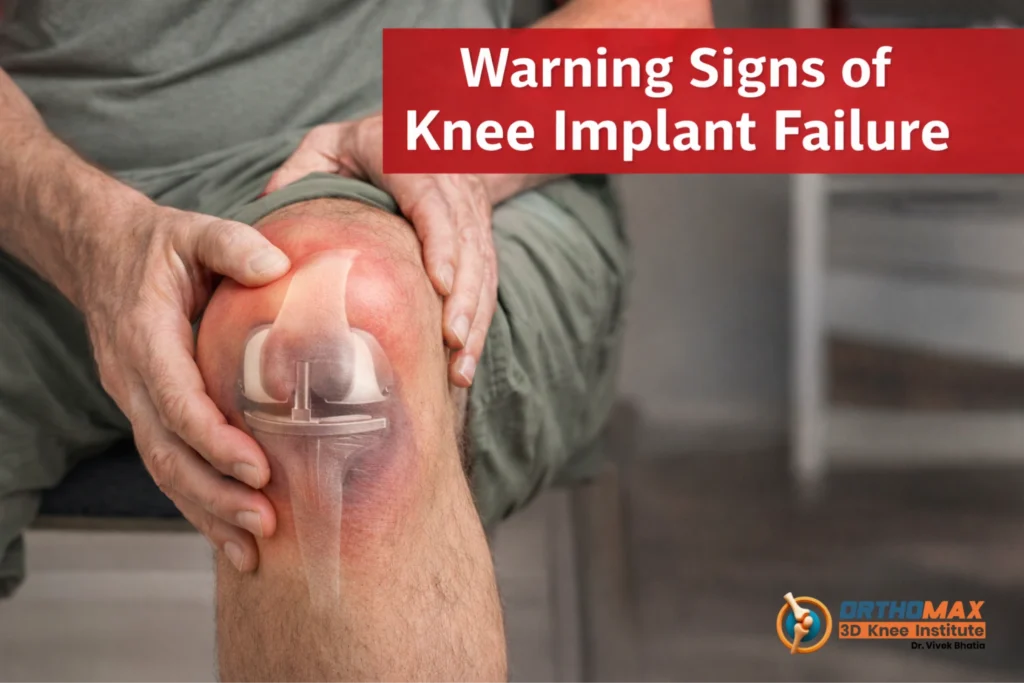
Why Recognizing Knee Implant Failure Symptoms Matters Knee replacement surgery is widely considered one of the most successful orthopedic procedures, with over 90–95% success rates lasting 15–20 years. However, in some cases, complications can arise. Recognizing knee implant failure symptoms early can help prevent severe damage, reduce pain, and avoid complex revision surgeries. If you’re experiencing discomfort after surgery, understanding the signs of knee replacement failure is crucial. Early detection can mean the difference between simple treatment and major corrective procedures. Why Early Detection Matters After knee replacement surgery, it’s common to feel some discomfort during recovery. However, not all pain or symptoms are part of normal healing. Many patients ignore early warning signs, assuming they will improve with time—but this delay can sometimes make the condition worse. Early detection allows doctors to identify small issues before they turn into serious complications. When problems like implant loosening, infection, or alignment issues are caught early, they can often be managed with simple treatments instead of major surgery. Acting early can help you: Prevent worsening damage: Minor issues can progress if left untreated, affecting the implant and surrounding tissues. Reduce pain and complications: Early treatment helps control symptoms before they become severe. Avoid costly revision surgery: In many cases, timely care can eliminate the need for a second surgery. Maintain long-term mobility: Addressing problems early ensures better movement and quality of life.  In simple terms, the sooner you recognize that something isn’t right, the easier, safer, and more affordable your treatment will be. Common Knee Implant Failure Symptoms In India and globally, knee replacements are increasing rapidly due to aging populations and lifestyle factors. Studies show: Around 5–10% of knee replacements fail within 10–15 years Infection-related failures occur in 1–2% of cases Implant loosening is the most common cause of failure These numbers highlight why monitoring knee implant failure symptoms is essential. 1. Persistent or Increasing Pain Mild pain is expected during recovery. However, persistent or worsening pain months or years later is one of the earliest signs of knee replacement failure. Red flags: Pain that increases over time Pain during walking or weight-bearing Night pain that disrupts sleep This could indicate: Implant loosening Infection Wear and tear of the prosthesis 2. Swelling That Doesn’t Go Away Some swelling is normal after surgery, but chronic swelling is not. Warning signs: Swelling lasting more than 6 months Sudden swelling after years of stability Warmth around the joint Persistent swelling is a key knee implant failure symptom, often linked to: Infection Fluid buildup Implant instability 3. Stiffness and Reduced Mobility If your knee feels stiff or difficult to move, it may indicate a problem. Signs to watch: Difficulty bending or straightening the knee Reduced range of motion over time Feeling of tightness or locking This is one of the most overlooked signs of knee replacement failure, especially in older patients. 4. Clicking or Grinding Sounds Occasional sounds may happen, but persistent noises can signal a problem. Concerning sounds: Clicking or popping Grinding sensation Feeling something “moving” inside These knee implant failure symptoms may suggest: Misalignment Worn-out implant parts Loose components 5. Instability or Knee Giving Way A stable knee is the primary goal of replacement surgery. If your knee feels unstable, take it seriously. Key indicators: Knee buckling while walking Difficulty standing for long periods Feeling like the knee may collapse Instability is a strong indicator of signs of knee replacement failure, often caused by ligament imbalance or implant loosening. 6. Signs of Infection  Infection is one of the most serious causes of failure. Symptoms include: Fever Redness around the knee Drainage from the surgical site Severe pain with swelling In India, infection risks can slightly increase due to environmental factors and post-surgical care challenges. Early detection of these knee implant failure symptoms is critical. 7. Decreased Function Over Time Your knee should improve after surgery—not worsen. Warning signs: Difficulty walking after initial recovery Reduced ability to climb stairs Loss of strength in the joint These gradual signs of knee replacement failure often go unnoticed until the condition worsens. What Causes Knee Implant Failure? Understanding the causes helps you connect symptoms early: Common causes: Implant loosening (most common) Infection Wear and tear over time Improper alignment during surgery Excess body weight (BMI >30 increases risk by 2–3x) High-impact activities What to Do If You Notice These Symptoms If you experience any warning signs, don’t panic—but don’t delay either. Take these steps immediately: Reduce strain on the knee Avoid high-impact activities Use ice to control swelling Consult an orthopedic specialist Early action can often prevent major complications. When Should You See a Doctor? Seek medical attention immediately if you notice: Persistent knee implant failure symptoms Sudden increase in pain or swelling Signs of infection Instability or inability to walk Early consultation can prevent complete implant failure. How Doctors Identify Implant Failure Doctors may recommend: X-rays to check alignment and loosening MRI or CT scans for detailed imaging Blood tests to detect infection Joint aspiration to analyze fluid Accurate diagnosis is key to addressing signs of knee replacement failure effectively. Treatment Options The treatment for knee implant failure depends largely on how early the problem is identified and how severe it has become. In many cases, if symptoms are detected early, doctors can manage the condition without surgery. However, advanced complications may require a more permanent solution. 1. Non-Surgical Options When the issue is mild or in its early stages, doctors usually start with conservative treatments. These aim to reduce pain, improve function, and slow down further damage. a) Physiotherapy Helps strengthen the muscles around the knee, improve stability, and reduce stress on the implant. It can also improve movement and decrease stiffness. b) Pain management Includes medications or therapies to control discomfort, allowing you to stay active and continue rehabilitation. c) Anti-inflammatory medications These help reduce swelling and inflammation, which are common causes of pain and restricted movement. These methods are most effective when the problem is identified early and the implant is still

Importance of Physiotherapy After Knee Replacement: Why It Matters

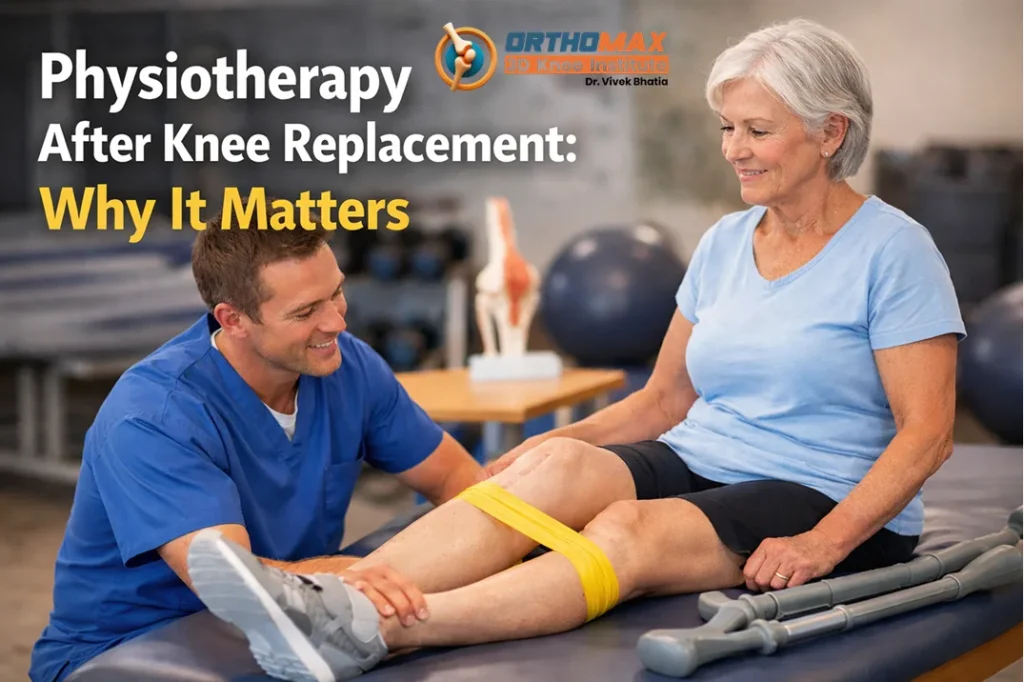
Importance of Physiotherapy After Knee Replacement: Why It Matters Recovering from knee replacement isn’t just about rest—it’s about moving the right way at the right time. Physiotherapy plays a crucial role in reducing pain, improving mobility, and helping you return to normal life safely. Most patients in India recover faster and avoid complications when they follow a structured physiotherapy plan. In India, where more than 2.5 lakh knee replacement surgeries are performed every year, patients who follow a proper physiotherapy routine recover significantly faster and experience better long-term results. Understanding how physiotherapy works and why it matters can help you achieve a smoother and more successful recovery. What Is Physiotherapy After Knee Replacement? Physiotherapy after knee replacement is a guided rehabilitation process designed to improve knee function after surgery. It focuses on: Restoring joint movement Strengthening muscles around the knee Reducing swelling and stiffness Improving balance and walking ability This process usually begins within 24–48 hours after surgery and continues for several weeks or months, depending on recovery progress. Why Physiotherapy is Important After Knee Replacement? 1. Faster Recovery and Improved Mobility Following a structured physiotherapy plan helps patients regain mobility up to 30–50% faster. Early movement prevents stiffness and promotes healing. 2. Pain Reduction Naturally Physiotherapy improves blood flow and reduces inflammation, helping control pain without overdependence on medication. 3. Prevents Post-Surgery Complications Skipping physiotherapy can lead to: Joint stiffness Muscle weakness Blood clots Regular sessions significantly reduce these risks. 4. Better Long-Term Outcomes Studies show that patients who complete physiotherapy programs report 90–95% higher satisfaction rates after knee replacement surgery. How Long Physiotherapy After Knee Replacement Is Required? One of the first questions patients ask after surgery is simple: how long will physiotherapy actually be needed? The answer depends on your recovery speed, but most people follow a structured timeline. In the first few weeks, the focus is on basic movement and reducing stiffness. As your strength improves, exercises become more advanced, helping you walk and perform daily activities more comfortably. Typical Recovery Timeline Week 1–3: Basic movement and gentle exercises Week 4–6: Strengthening and flexibility training Week 7–12: Advanced mobility and walking improvement 3–6 months: Full recovery and return to normal activities Most patients require physiotherapy for 8–12 weeks, although full recovery may take up to 6 months depending on age, health, and consistency. In India, many patients choose home physiotherapy, which typically costs between ₹500–₹1500 per session. Consistency is more important than the setting. What You May Feel During Recovery It’s natural to feel unsure about what recovery will be like. Many patients experience mild discomfort in the beginning, but this gradually improves with regular exercise. You may notice: Mild pain or tightness during exercises Gradual improvement in walking (walker → cane → independent) Difficulty in climbing stairs initially Morning stiffness that reduces with movement These are all normal signs of healing, and they improve with consistency. Daily Physiotherapy Routine (Simple Plan) Following a simple daily routine can make a big difference in recovery. Instead of doing everything at once, exercises are usually spread throughout the day. A typical routine includes: Morning: Gentle bending and stretching exercises Afternoon: Strength-building exercises like leg raises Evening: Walking practice with support if needed Spending 30–60 minutes daily on physiotherapy is usually enough to see progress. Types of Physiotherapy Exercises After Knee Replacement Recovery after knee replacement involves different types of exercises, each targeting mobility, strength, and daily function. These are usually introduced in stages as healing progresses.  Physiotherapy exercises after knee replacement are introduced in phases, starting with basic movement and progressing to strength and daily activities. 1. Range of Motion Exercises (Early Stage) These exercises are usually started within the first few days after surgery to improve flexibility and reduce stiffness. Common exercises include: Heel slides Knee bends Leg extensions  These help restore the knee’s ability to bend and straighten properly. 2. Strengthening Exercises (Recovery Phase) Once basic movement improves, strengthening exercises are added to support the knee joint and surrounding muscles. Examples: Straight leg raises Quadriceps sets Hamstring curls Strong muscles reduce pressure on the knee and improve stability. 3. Walking and Balance Training (Progressive Stage) As recovery progresses, patients are guided to improve walking and balance step by step. Typical progression: Walker → Cane → Independent walking This stage focuses on building confidence and preventing falls. 4. Functional Training (Daily Life Activities) The final stage focuses on helping patients return to normal daily activities. Includes: Climbing stairs Sitting and standing Light household tasks The goal is to regain independence in everyday life. Home vs Clinic Physiotherapy After knee replacement surgery, choosing between home and clinic physiotherapy depends on your recovery stage, mobility, and comfort level. Both approaches have their own advantages, and most patients don’t need to stick to just one option. Instead, understanding how each works can help you make a better decision. 1. Home Physiotherapy Home physiotherapy is often preferred during the early stages of recovery when movement is limited and comfort is a priority. It allows patients to recover in a familiar environment without the stress of travel. Comfortable and convenient Ideal for elderly patients or those with limited mobility Focused, personalized care This option works best in the initial recovery phase, especially when pain and stiffness are higher. 2. Clinic-Based Physiotherapy As recovery progresses, clinic-based physiotherapy becomes more beneficial due to access to better equipment and structured rehabilitation programs. It also allows therapists to monitor progress more closely. Access to advanced equipment Professional supervision Can improve strength and mobility faster in later stages This is more suitable for the advanced recovery phase, when mobility improves. In most cases, a combination of both approaches delivers the best results. Patients often begin with home physiotherapy and gradually transition to clinic sessions as their strength and confidence improve. The key is consistency—regular physiotherapy matters more than where you do it. Common Challenges During Physiotherapy Recovery is not always smooth, and some challenges are normal. Understanding them can help you stay motivated. Pain during exercise:

Knee Surgery Recovery Timeline: From Hospital to Home

Knee Surgery Recovery Timeline: From Hospital to Home Recovering from knee surgery can feel overwhelming, especially if you’re unsure about what happens after the procedure. Understanding the knee replacement recovery time in India helps patients and families prepare better, reduce anxiety, and achieve faster healing. From hospital stay to regaining mobility at home, every stage plays a crucial role. In this guide, we’ll walk you through a complete recovery timeline, including walking after knee replacement surgery, practical care tips, and expert-backed insights tailored for patients in India. Stage 1: Hospital Stay (Day 1 to Day 5) The initial phase of knee replacement recovery time in India begins immediately after surgery. What happens in the hospital? Surgery typically lasts 1–2 hours Hospital stay ranges between 3 to 5 days in India Pain management begins with medications Physiotherapy starts within 24 hours Walking after knee replacement surgery (early stage) Yes, you read that right—patients are encouraged to start walking after knee replacement surgery within 24–48 hours with support. This helps: Prevent blood clots Improve circulation Speed up recovery Key Focus: Pain control Preventing complications Gentle movement Data Insight: According to Indian orthopedic associations, early mobilization can reduce recovery time by up to 30%. Stage 2: Early Recovery at Home (Week 1 to Week 3) Once discharged, the next phase of knee replacement recovery time in India begins at home, marking the start of knee replacement recovery month-by-month progress. What to expect: Swelling and mild pain (normal) Limited mobility Need for walker or crutches Walking after knee replacement surgery (home phase) Patients gradually increase walking distance daily Start with 5–10 minutes, 2–3 times a day Focus on proper posture and balance Home Care Essentials: Keep the surgical area clean and dry Elevate your leg to reduce swelling Follow prescribed physiotherapy exercises Recovery Tip: Avoid sitting or lying in one position for too long—movement is key to faster healing. Stage 3: Rehabilitation Phase (Week 4 to Week 6) This stage is critical in improving strength and flexibility during knee replacement recovery time in India. Physical improvements: Increased joint flexibility Reduced swelling Improved walking ability Walking after knee replacement surgery (progress stage) Patients often transition from walker to a walking stick or cane Walking duration increases to 15–30 minutes daily Physiotherapy goals: Strengthening thigh muscles Improving knee bending (target: 90–120 degrees) Enhancing balance Fact: Most Indian patients regain basic mobility within 4–6 weeks with consistent physiotherapy. Stage 4: Advanced Recovery (Week 7 to Week 12) By now, patients experience significant improvement after knee replacement. What changes: Reduced pain levels Better independence Ability to perform daily activities Walking after knee replacement surgery (advanced stage) Walking becomes smoother and more confident Patients may walk without support Gradual return to light activities like shopping or short outings Activities you can resume: Driving (after doctor approval) Office work (if non-physical) Climbing stairs with care Stage 5: Full Recovery (3 Months to 6 Months) The final phase focuses on complete healing and building long-term strength after knee replacement surgery. Full recovery includes: Minimal or no pain Full range of motion Return to normal lifestyle Walking after knee replacement surgery (full recovery) Patients can walk independently for longer durations Many can walk 2–3 km daily comfortably Recovery Timeline Data: 90% of patients in India recover within 3–6 months Full strength may take up to 1 year Factors That Affect Knee Replacement Recovery Time Recovery isn’t the same for everyone. Several factors influence knee replacement recovery time: 1. Age & Health Condition Younger and healthier individuals recover faster. 2. Physiotherapy Consistency Skipping exercises can delay recovery significantly. 3. Diet & Nutrition Protein-rich diets support tissue healing. 4. Pre-Surgery Fitness Stronger muscles before surgery = faster recovery after. Diet Tips to Speed Up Recovery Nutrition plays a major role in knee replacement recovery. Include: Protein (dal, eggs, paneer) Calcium (milk, curd) Vitamin C (fruits like oranges) Iron-rich foods (spinach, beetroot) Avoid: Junk food Excess sugar Smoking and alcohol Do’s and Don’ts During Recovery Do’s: Follow physiotherapy strictly Practice safe walking after knee replacement surgery Keep follow-up appointments Don’ts: Avoid sudden movements Don’t skip medications Avoid sitting cross-legged (common in India) Common Mistakes to Avoid Many patients unknowingly delay their knee replacement recovery time: Ignoring pain signals Overexertion too early Not using support while walking Skipping rehab exercises FAQs 1. How long does knee replacement recovery time India take? Most patients recover within 3–6 months, depending on health and physiotherapy. 2. Is walking after knee replacement surgery safe? Yes, early and guided walking improves recovery and prevents complications. 3. When can I walk without support? Typically after 4–6 weeks, depending on your progress. 4. Can I climb stairs after surgery? Yes, but with support initially and proper technique. 5. What is the biggest challenge during recovery? Pain management and maintaining consistency in physiotherapy. Conclusion Understanding the knee replacement recovery time in India helps set realistic expectations and ensures a smoother healing journey. From hospital care to walking independently at home, each stage requires patience, discipline, and proper guidance. Remember, walking after knee replacement surgery is not just a milestone—it’s the foundation of your recovery. Stay consistent, follow medical advice, and you’ll be back to an active lifestyle sooner than you think.

Best Diet Plan After Knee Replacement Surgery

Best Diet Plan After Knee Replacement Surgery Knee replacement surgery is a major step toward living a pain-free and active life. While surgical techniques and physiotherapy play an important role in recovery, nutrition is often an overlooked factor that significantly influences healing speed, strength recovery, and long-term joint health. Following the right diet plan after knee replacement surgery helps reduce inflammation, promote tissue repair, strengthen muscles, and improve overall recovery outcomes. A balanced nutritional approach can also lower complications and help patients regain mobility faster. This guide explains the best diet plan to follow after knee replacement surgery and which foods support optimal healing. Why Diet Matters After Knee Replacement Surgery After surgery, the body enters a healing phase that requires additional nutrients and energy. Proper nutrition helps: Repair tissues and surgical wounds Strengthen muscles around the knee joint Reduce swelling and inflammation Boost immunity to prevent infections Maintain healthy body weight Improve energy levels during rehabilitation Patients who follow a healthy post-surgery diet often experience smoother recovery and better functional outcomes. Key Nutrients Needed After Knee Replacement A successful recovery diet focuses on specific nutrients that aid healing and bone health. 1. Protein – The Building Block of Recovery Protein is essential for tissue repair, muscle rebuilding, and wound healing. Surgery causes muscle loss, and adequate protein intake helps restore strength. Best protein sources: Eggs Lean chicken or fish Paneer and tofu Lentils and dals Greek yogurt or curd Nuts and seeds Aim to include protein in every meal to support continuous healing. 2. Calcium for Bone Strength Calcium supports bone health and helps the implant integrate well with surrounding bone structures. Calcium-rich foods include: Milk and dairy products Ragi (finger millet) Sesame seeds Almonds Green leafy vegetables like spinach and broccoli Adequate calcium intake is especially important for older adults. 3. Vitamin D for Better Absorption Vitamin D helps the body absorb calcium effectively and supports bone healing. Sources of Vitamin D: Morning sunlight exposure (15–20 minutes) Fortified dairy products Egg yolks Fatty fish such as salmon Doctors may recommend supplements if levels are low. 4. Vitamin C for Wound Healing Vitamin C helps produce collagen, which is necessary for tissue repair and faster healing of surgical incisions. Include foods like: Oranges and sweet lime Amla (Indian gooseberry) Guava Bell peppers Tomatoes These foods also strengthen immunity. 5. Iron for Energy and Recovery Blood loss during surgery may reduce iron levels, leading to fatigue or weakness. Iron-rich foods: Spinach Beetroot Dates and raisins Legumes Lean meats Pair iron foods with Vitamin C sources for better absorption. 6. Anti-Inflammatory Foods Inflammation is natural after surgery, but certain foods help control excessive swelling and pain. Anti-inflammatory options include: Turmeric (haldi) Ginger Walnuts Flaxseeds Olive oil Fresh fruits and vegetables These foods support joint recovery and reduce stiffness. Sample Diet Plan After Knee Replacement Surgery Here is a simple daily meal structure patients can follow. Morning (Empty Stomach) Warm water with lemon or soaked almonds Light stretching or prescribed exercises Breakfast Vegetable oats or poha Boiled eggs or paneer Milk or herbal tea Fresh fruit Mid-Morning Snack Coconut water or buttermilk Fruit like papaya or apple Lunch Whole wheat roti or brown rice Dal or grilled chicken/fish Green vegetables Salad with cucumber and carrots Curd Evening Snack Roasted chana or nuts Green tea Dinner (Light Meal) Vegetable soup or khichdi Paneer/tofu or lentils Steamed vegetables Before Bed Turmeric milk (optional) for recovery and better sleep Foods to Avoid After Knee Replacement Surgery Certain foods can slow healing or increase inflammation and should be limited. 1. Processed and Junk Foods High salt and unhealthy fats increase swelling and delay recovery. 2. Sugary Foods and Soft Drinks Excess sugar promotes inflammation and weight gain. 3. Excess Salt Too much sodium may cause water retention and swelling around the joint. 4. Alcohol and Smoking Both interfere with healing, bone health, and medication effectiveness. 5. Deep-Fried Foods They increase inflammation and reduce overall recovery efficiency. Importance of Hydration Water plays a major role in recovery by improving circulation and preventing constipation, a common issue after surgery due to reduced mobility and medications. Tips for hydration: Drink 2–3 liters of water daily Include soups and coconut water Avoid excessive caffeinated drinks Proper hydration also supports joint lubrication and overall energy levels. Weight Management After Surgery Maintaining a healthy weight reduces pressure on the new knee joint. Even small weight gain can increase stress on the implant and affect long-term outcomes. Focus on: Balanced portions High-protein meals Fiber-rich foods for digestion Avoiding overeating during reduced activity periods A controlled diet combined with physiotherapy helps patients regain mobility safely. Role of Supplements Some patients may require supplements depending on medical advice, including: Calcium Vitamin D Protein supplements Iron tablets Always consult your doctor before taking supplements to avoid interactions with medications. Recovery Tips Along With Diet Nutrition works best when combined with healthy recovery habits: Follow physiotherapy regularly Eat small, frequent meals Sleep 7–8 hours daily Avoid prolonged sitting Follow medication schedules properly Consistency in both diet and rehabilitation ensures faster improvement. Conclusion A well-planned diet after knee replacement surgery is just as important as the surgical procedure itself. The right balance of protein, vitamins, minerals, and anti-inflammatory foods helps accelerate healing, restore strength, and support long-term joint function. By focusing on nutritious meals, proper hydration, and weight management, patients can enhance recovery and return to daily activities with confidence. Always follow personalized dietary advice from your healthcare provider to match your age, health condition, and recovery progress.

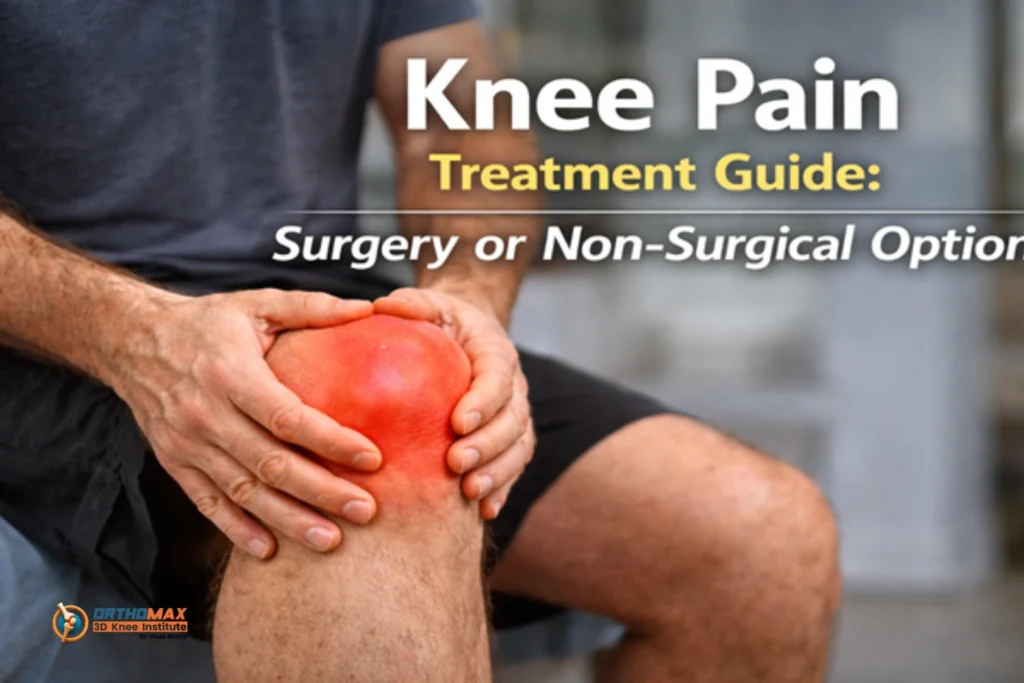
Knee Pain Treatment Guide: Surgery or Non-Surgical Options

Knee Pain Treatment Guide: Surgery or Non-Surgical Options Knee pain is one of the most common health concerns in India, affecting people across all age groups. But the biggest question most patients ask is: when to have knee surgery and when to avoid it. Understanding this difference can help you save time, money, and unnecessary stress. Many people rush into surgery, while others delay it when it’s actually essential. So, how to know if I need knee replacement or if non-surgical options can still work? Let’s break it down in a simple, practical, and medically accurate way. Understanding Knee Problems: Why Do They Happen? Before deciding on when knee surgery is needed, it’s important to understand what causes knee issues. Common causes include: Osteoarthritis (most common in India, especially after age 45) Ligament injuries (sports or accidents) Meniscus tears Obesity-related joint stress Age-related wear and tear According to orthopedic data in India, over 15 million people suffer from knee osteoarthritis, and this number is increasing due to sedentary lifestyles. Knee Surgery When Needed: Clear Signs You Should Not Ignore Not every knee pain requires surgery; however, there are specific conditions where knee surgery becomes unavoidable when needed. 1. Severe and Persistent Pain If your pain: Lasts for months or years Doesn’t improve with medication or therapy Interferes with sleep This is a strong indicator when evaluating how to know if I need knee replacement. 2. Limited Mobility and Daily Life Impact If you struggle with: Walking short distances Climbing stairs Standing for long periods Then your quality of life is already compromised—a key sign that knee surgery may be needed. 3. Advanced Osteoarthritis In advanced stages: Cartilage is almost gone Bones rub against each other Severe inflammation occurs Studies show that over 60% of patients with Stage 4 osteoarthritis require knee replacement. 4. Deformity in Knee Structure If your knee appears: Bowed outward or inward Visibly misaligned This structural damage often requires surgical correction. 5. Failure of Non-Surgical Treatments If you’ve already tried: Physiotherapy Pain medications Injections Then your quality of life is already compromised—a key sign that knee surgery may be needed. How to Know If I Need Knee Replacement: Quick Self-Checklist Ask yourself these questions: Is my knee pain constant and worsening? Do I avoid daily activities due to pain? Have non-surgical treatments failed? Is my knee stiff even after resting? If you answered “yes” to 3 or more, you may need a medical evaluation for surgery. When Knee Surgery Can Be Avoided The good news? Many cases don’t require surgery — especially if detected early. 1. Early-Stage Knee Pain Mild discomfort or occasional pain can often be managed with: Exercise Weight loss Lifestyle changes 2. Physiotherapy Can Work Wonders Targeted exercises: Strengthen muscles Improve joint stability Reduce pain Research shows physiotherapy reduces knee pain by up to 40–60% in early cases. 3. Weight Management Even a 5–10 kg weight loss can significantly reduce knee pressure. Every extra kg adds 4x stress on the knee joint. 4. Medication & Injections Doctors may recommend: Anti-inflammatory drugs Corticosteroid injections Hyaluronic acid injections These can delay or even eliminate the need for knee surgery. 5. Lifestyle Modifications Simple changes can make a big difference: Avoid squatting and sitting cross-legged Use supportive footwear Stay active but avoid high-impact exercises Surgery vs Non-Surgery: What Experts Recommend Doctors usually follow a step-by-step approach: Start with non-surgical treatments Monitor improvement over 3–6 months Recommend surgery only if no progress In India, around 70% of knee pain cases are managed without surgery. Risks vs Benefits of Knee Surgery Benefits Long-term pain relief Improved mobility Better quality of life Risks Infection (rare, <2%) Blood clots Recovery time (6–12 weeks) The success rate of knee replacement in India is over 90–95%, making it a safe option when truly needed. Recovery After Knee Surgery If you decide on surgery, here’s what to expect: Walking with support: 1–2 weeks Normal walking: 4–6 weeks Full recovery: 3 months Physiotherapy plays a crucial role in recovery. Expert Insight: The Right Timing Matters Delaying surgery too long can: Worsen joint damage Increase pain Make surgery more complex On the other hand, doing it too early may be unnecessary. The key is balance—understanding when knee surgery is needed and choosing the right time for it. FAQs (Optimized for AEO & AI Search) 1. How to know if I need knee replacement? If your pain is severe, constant, and affecting daily life despite treatments, you may need knee replacement. A doctor’s evaluation is essential. 2. Can knee pain be cured without surgery? Yes, in early stages, physiotherapy, weight loss, and medications can effectively manage knee pain. 3. What happens if I delay knee surgery? Delaying surgery can worsen joint damage and make recovery more difficult later. 4. Is knee replacement safe in India? Yes, it has a success rate of over 90% when performed by experienced surgeons. 5. At what age is knee surgery recommended? Usually after 50, but younger patients may need it depending on condition severity. Conclusion Understanding knee surgery when needed is crucial for making the right health decision. Not every knee problem requires surgery, but ignoring serious symptoms can lead to long-term complications. If you’re wondering how to know if I need knee replacement, focus on pain severity, mobility, and response to treatment. The best approach is always personalized — consult a qualified orthopedic specialist, explore non-surgical options first, and choose surgery only when truly necessary.

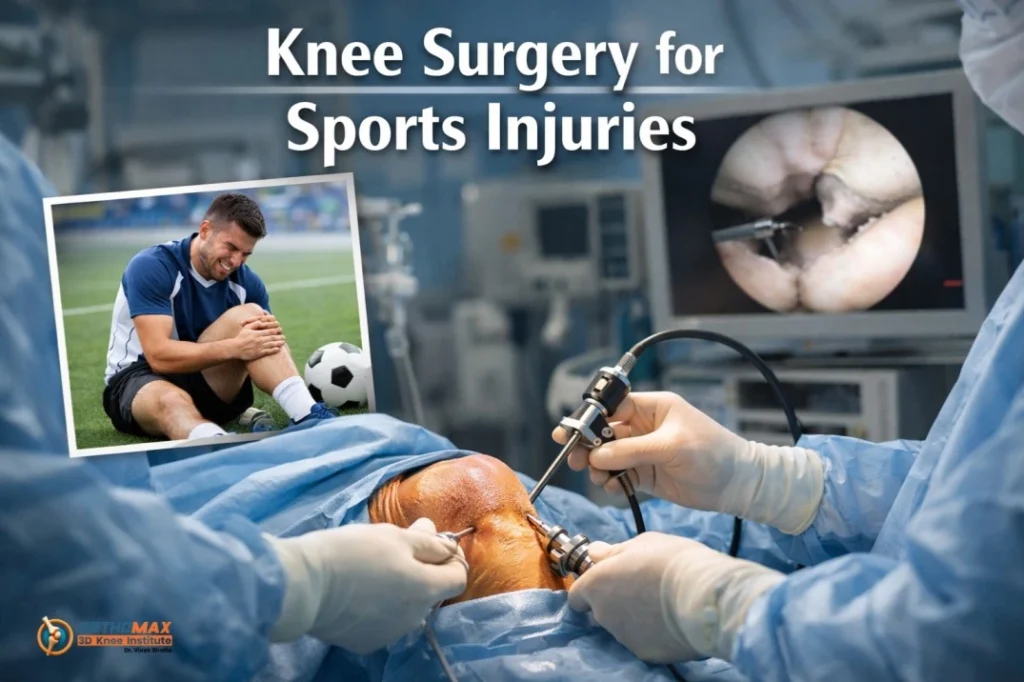
knee surgery for sports injuries

Knee Surgery for Sports Injuries: What to Expect

Sports Knee Surgery Guide India: Recovery, Cost & Results Sports injuries are increasingly common in India, especially among athletes, gym-goers, and even recreational players. When conservative treatments fail, knee surgery for sports injuries becomes the most effective solution to restore mobility and performance. Whether it’s an ACL tear, meniscus damage, or ligament injury, understanding what to expect can help you prepare both physically and mentally. This guide explains everything—from diagnosis to recovery—while also addressing concerns like knee pain after sports treatment, costs, and outcomes. Why Knee Surgery for Sports Injuries Becomes Necessary Not every sports injury requires surgery. However, in cases of severe ligament tears or cartilage damage, knee surgery for sports injuries is often recommended. Common conditions requiring surgery: ACL (Anterior Cruciate Ligament) tear Meniscus tear PCL or MCL injuries Cartilage damage Recurrent knee instability Data Insight: Studies show that over 60–70% of athletes with complete ACL tears require surgical intervention to return to their previous activity levels. If untreated, these injuries can lead to chronic knee pain after sports treatment and long-term joint degeneration. Types of Knee Surgery for Sports Injuries Understanding the type of procedure helps reduce anxiety and improves decision-making. 1. Arthroscopic Knee Surgery A minimally invasive procedure using small incisions and a camera. Faster recovery Less pain Common in meniscus and ligament repairs 2. ACL Reconstruction Surgery Most common procedure for athletes. Uses graft (from patient or donor) Recovery: 6–9 months High success rate (~85–90%) 3. Meniscus Repair or Removal Depending on severity: Repair preserves knee function Removal (meniscectomy) offers faster relief 4. Ligament Repair Surgery Used for MCL, PCL injuries. Each type of knee surgery for sports injuries is selected based on injury severity, age, and activity level. What to Expect Before Knee Surgery Preparation plays a crucial role in surgical success. Pre-surgery steps: MRI or X-ray diagnosis Blood tests and fitness evaluation Consultation with orthopedic surgeon Physiotherapy (prehabilitation) Pro Tip: Pre-surgery strengthening exercises can improve post-surgery recovery by up to 30% faster mobility regain. The Procedure: Step-by-Step Overview Here’s a simplified breakdown of what happens during knee surgery for sports injuries: Anesthesia: Local, spinal, or general Incision: Small cuts for arthroscopy Repair/Reconstruction: Ligament or cartilage repair Closure: Sutures and bandaging Duration: Typically 1–2 hours depending on complexity Most procedures are same-day discharge, especially arthroscopic surgeries. Recovery Timeline: What Happens After Surgery Recovery is one of the biggest concerns for patients. Immediate Recovery (0–2 Weeks) Swelling and mild pain Use of crutches Start light physiotherapy Mid Recovery (3–12 Weeks) Gradual mobility improvement Muscle strengthening Reduced knee pain after sports treatment Full Recovery (3–9 Months) Return to sports Full strength restoration Fact: Around 80–90% of patients return to sports after proper rehabilitation. Managing Knee Pain After Sports Treatment Experiencing knee pain after sports treatment is common but manageable. Causes: Inflammation Muscle weakness Improper rehabilitation Solutions: Regular physiotherapy Ice therapy and medication Strength training Avoiding overuse Persistent pain beyond 3 months should be evaluated by a specialist. Cost of Knee Surgery for Sports Injuries in India India is a preferred destination due to affordable healthcare. Average cost range: Arthroscopy: ₹80,000 – ₹2,00,000 ACL Reconstruction: ₹1,50,000 – ₹3,50,000 Advanced procedures: ₹3,00,000+ Compared to Western countries, India offers 60–70% lower costs with similar success rates. Factors affecting cost: Hospital type (private/government) Surgeon expertise City (Delhi, Chandigarh, Mumbai) Implant quality Risks and Complications (Rare but Possible) Although knee surgery for sports injuries is generally safe, risks include: Infection (less than 1%) Blood clots Stiffness Persistent knee pain after sports treatment Choosing an experienced surgeon significantly reduces these risks. Success Rate and Long-Term Outcomes Modern techniques have improved outcomes drastically. Success rates: ACL surgery: 85–95% Arthroscopy: 90%+ patient satisfaction Long-term benefits: Improved mobility Pain-free movement Return to sports performance When Can You Return to Sports? Returning too early can cause re-injury. General timeline: Light activity: 6–8 weeks Running: 3–4 months Competitive sports: 6–9 months Athletes must complete rehabilitation before returning. Expert Tips for Faster Recovery Follow physiotherapy strictly Maintain a healthy diet (protein + calcium) Avoid smoking and alcohol Use knee braces if recommended Track progress regularly FAQs 1. How long does knee surgery for sports injuries take to heal? Most patients recover within 3 to 9 months, depending on the type of surgery and rehabilitation. 2. Is knee surgery for sports injuries safe? Yes, it is generally safe with a success rate of 85–95%, especially when performed by experienced surgeons. 3. What causes knee pain after sports treatment? It can be due to inflammation, weak muscles, or improper physiotherapy. Regular rehab helps reduce it. 4. Can I walk after knee surgery? Yes, patients usually start walking with support within 1–2 weeks after surgery. 5. What is the cost of knee surgery in India? It ranges from ₹80,000 to ₹3,50,000, depending on the procedure and hospital. Conclusion Choosing knee surgery for sports injuries can be life-changing for athletes and active individuals. With advanced medical technology in India, high success rates, and affordable costs, patients can confidently opt for treatment. While knee pain after sports treatment may occur temporarily, proper rehabilitation ensures a full recovery and return to an active lifestyle. Always consult an experienced orthopedic specialist to ensure the best outcome.

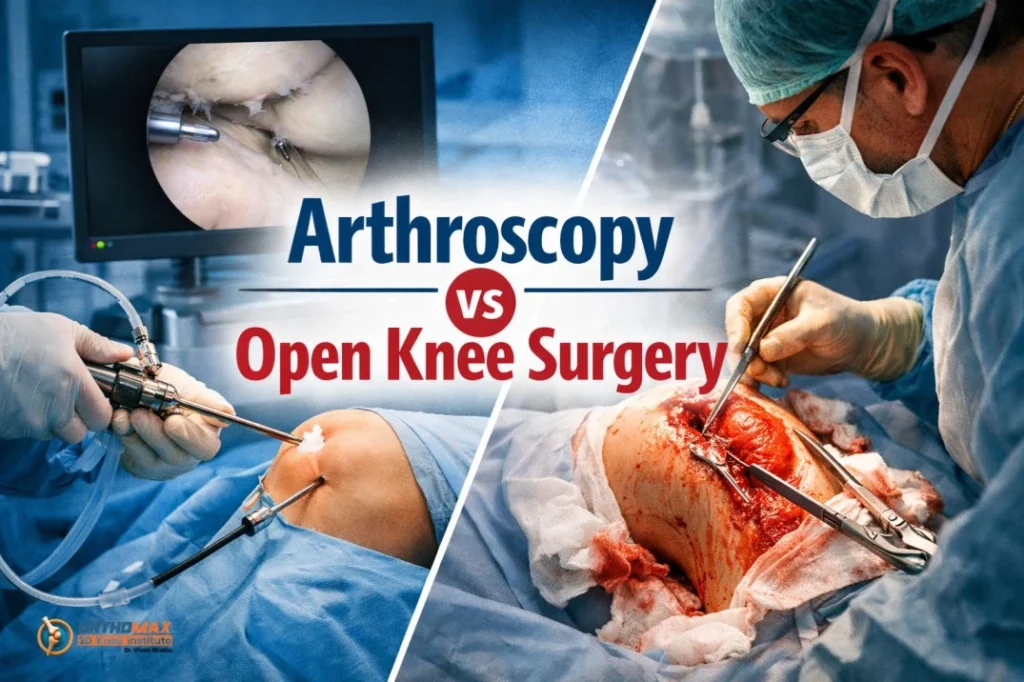
Arthroscopy vs Open Knee Surgery

Arthroscopy vs Open Knee Surgery: Key Differences

Arthroscopy vs Open Knee Surgery: Key Differences When it comes to treating knee problems, patients often struggle to choose between arthroscopy vs open knee surgery. Both procedures are widely used in orthopedic care, but they differ significantly in terms of technique, recovery, cost, and outcomes. Understanding these differences is essential for making an informed decision—especially in India, where advanced minimally invasive procedures are becoming more accessible. In this guide, we break down everything you need to know about arthroscopy vs open knee surgery, including benefits, risks, and open knee surgery recovery time, so you can choose the right treatment for your condition. What Is Arthroscopy vs Open Knee Surgery? Arthroscopy (Minimally Invasive Knee Surgery) Arthroscopy is a minimally invasive surgical procedure where a small camera (arthroscope) is inserted into the knee joint through tiny incisions. Surgeons use specialized tools to diagnose and treat problems such as: Torn ligaments (ACL, PCL) Meniscus tears Cartilage damage Inflammation or loose bone fragments Incision size: 5–10 mm Hospital stay: Usually same-day discharge Open Knee Surgery (Traditional Approach) Open knee surgery involves making a larger incision to directly access the knee joint. It is typically recommended for: Severe joint damage Complex fractures Total knee replacement Advanced arthritis Incision size: 10–20 cm Hospital stay: 3–7 days Arthroscopy vs Open Knee Surgery: Key Differences 1. Surgical Technique The most obvious difference in arthroscopy vs open knee surgery lies in the approach. Arthroscopy uses small incisions and camera guidance Open surgery involves direct visualization through a large cut Arthroscopy is less invasive, reducing tissue damage. 2. Recovery Time Comparison One of the most searched aspects is open knee surgery recovery time, and this is where the difference becomes crucial. Arthroscopy Recovery: Walking: Within 1–2 days Return to work: 1–3 weeks Full recovery: 4–6 weeks Open Knee Surgery Recovery Time: Walking: 2–4 weeks Return to work: 6–12 weeks Full recovery: 3–6 months Data Insight: Studies show that minimally invasive procedures reduce recovery time by up to 50–70% compared to traditional surgeries. 3. Pain and Scarring Arthroscopy: Minimal pain, smaller scars Open surgery: More pain due to larger incision Patients choosing between arthroscopy vs open knee surgery often prefer arthroscopy for cosmetic and comfort reasons. 4. Risk Factors Arthroscopy Risks: Infection (less than 1%) Blood clots (rare) Temporary swelling Open Surgery Risks: Higher infection rate (2–4%) Blood loss Longer rehabilitation Clearly, arthroscopy carries fewer risks in most cases. 5. Cost Comparison in India Cost is a major factor in India when comparing arthroscopy vs open knee surgery. Arthroscopy Cost: ₹50,000 – ₹2,00,000 Open Knee Surgery Cost: ₹1,50,000 – ₹5,00,000+ While arthroscopy may seem expensive initially, shorter recovery reduces overall expenses like hospital stay and lost income. 6. Success Rate and Outcomes Arthroscopy success rate: 85–95% for ligament and meniscus repairs Open surgery success rate: 90–98% for joint replacement The choice depends on the condition, not just success rate. When Should You Choose Arthroscopy? Arthroscopy is ideal if you have: Sports injuries Ligament tears (ACL/MCL) Minor cartilage damage Early-stage arthritis Best for patients looking for quick recovery and minimal downtime. When Is Open Knee Surgery Necessary? Despite the advantages of arthroscopy, open surgery is still essential in certain cases: Severe osteoarthritis Total knee replacement Complex fractures Failed previous surgeries In such cases, longer open knee surgery recovery time is unavoidable but necessary for long-term results. Arthroscopy vs Open Knee Surgery: Which Is Better? There is no one-size-fits-all answer to arthroscopy vs open knee surgery. The better option depends on: Severity of knee condition Age and overall health Lifestyle and activity level Surgeon’s recommendation Expert Insight: In India, over 70% of knee procedures today are arthroscopic, reflecting the shift toward minimally invasive treatments. Recovery Tips for Faster Healing Whether you choose arthroscopy or face a longer open knee surgery recovery time, these tips can help: Follow physiotherapy strictly Maintain a healthy weight Avoid high-impact activities early Take prescribed medications on time Use support aids like braces if needed Future Trends in Knee Surgery (India Focus) India is rapidly adopting advanced orthopedic techniques such as: Robotic-assisted knee surgery 3D imaging for precision Enhanced recovery protocols (ERAS) These innovations are improving outcomes in both arthroscopy vs open knee surgery cases. FAQs: Arthroscopy vs Open Knee Surgery 1. Which is better: arthroscopy vs open knee surgery? Arthroscopy is better for minor injuries due to faster recovery, while open surgery is required for severe conditions. 2. What is the open knee surgery recovery time? The open knee surgery recovery time typically ranges from 3 to 6 months, depending on the procedure and patient health. 3. Is arthroscopy painful? Arthroscopy involves minimal pain compared to open surgery and usually allows quicker return to normal activities. 4. What is the cost difference in India? Arthroscopy is generally more affordable (₹50,000–₹2,00,000) compared to open surgery (₹1,50,000–₹5,00,000+). 5. Can arthroscopy replace open surgery? Not always. Severe conditions like total knee replacement still require open surgery. Conclusion Understanding arthroscopy vs open knee surgery is essential before making a treatment decision. Arthroscopy offers faster recovery, less pain, and lower risk, making it ideal for minor to moderate conditions. On the other hand, open surgery remains the gold standard for complex and severe knee problems despite a longer open knee surgery recovery time. The best approach is to consult an experienced orthopedic specialist who can evaluate your condition and recommend the most effective treatment tailored to your needs.

Most Common Myths About Knee Replacement—Debunked

Most Common Myths About Knee Replacement—Debunked Knee pain can severely impact daily life, and for many people, surgery becomes the best option. However, knee replacement myths often create fear, confusion, and unnecessary delays in treatment. Misconceptions about pain, recovery, and outcomes prevent patients from making informed decisions—even though the knee replacement success rate is higher than ever. In this blog, we’ll break down the most common myths, support them with data, and give you clear, practical insights so you can confidently evaluate whether knee replacement is right for you. Understanding Knee Replacement and Its Success Rate Before diving into knee replacement myths, it’s important to understand the basics. A knee replacement (also called knee arthroplasty) involves replacing damaged joint surfaces with artificial implants to restore function and reduce pain. Key Facts: The knee replacement success rate is around 90–95% for pain relief and improved mobility. Most implants last 15–25 years, depending on lifestyle and care. Over 700,000 knee replacements are performed annually worldwide. Despite these strong outcomes, myths continue to hold people back. Myth 1: Knee Replacement Is Only for the Elderly This is one of the most widespread knee replacement myths. The Truth: Knee replacement is no longer limited to older adults. Many patients in their 40s and 50s undergo surgery due to: Sports injuries Arthritis Joint degeneration With advancements in implant technology, younger patients can also benefit significantly. Reality Check: Age is not the deciding factor—pain level and mobility limitations are. Myth 2: The Surgery Is Extremely Painful Fear of pain is a major reason people avoid surgery. The Truth: Modern techniques have transformed the experience: Minimally invasive procedures reduce tissue damage Advanced anesthesia improves comfort Post-surgery pain is managed effectively with medication Most patients report that:Post-surgery pain is less severe than chronic knee pain they lived with before surgery. Myth 3: Recovery Takes Years Another misleading belief surrounding knee replacement myths is that recovery is extremely long. The Truth: Recovery timelines are much faster today: Walking begins within 24–48 hours Most daily activities resume in 4–6 weeks Full recovery takes about 3–6 months Physiotherapy plays a crucial role in speeding up recovery. Patients who follow rehab plans properly often regain mobility faster than expected. Myth 4: Knee Replacement Is Not Safe Some people believe surgery carries high risks. The Truth: Knee replacement is considered a safe and routine procedure. Statistics: Success rates exceed 90% Complication rates are less than 2% Infection risk is very low with modern sterile techniques The high knee replacement success rate proves that complications are rare when performed by experienced surgeons. Myth 5: Artificial Knees Don’t Feel Natural Many patients worry about losing natural movement. The Truth: Modern implants are designed to mimic natural knee motion. Most patients experience: Smooth joint movement Improved flexibility Significant pain reduction While it may not feel exactly like a natural knee, it feels far better than a damaged one. Myth 6: You Can’t Be Active After Surgery This is one of the most limiting knee replacement myths. The Truth: After recovery, patients can enjoy: Walking Swimming Cycling Light sports High-impact activities like running or jumping may be restricted, but overall activity levels improve significantly. Many patients return to a more active lifestyle than before surgery. Myth 7: Knee Replacement Wears Out Quickly Concerns about implant lifespan often delay decisions. The Truth: Modern implants are highly durable. Data: 90% of implants last 15–20 years Many last 25 years or more with proper care Factors affecting longevity: Weight management Activity level Overall health The improved knee replacement success rate reflects better materials and surgical techniques. Myth 8: You Should Delay Surgery as Long as Possible People often believe waiting is better. The Truth: Delaying surgery can actually worsen the condition: Increased joint damage Muscle weakness Reduced mobility Early intervention often leads to better outcomes and faster recovery. Myth 9: Both Knees Cannot Be Replaced Together Some believe only one knee can be treated at a time. The Truth: In certain cases, bilateral knee replacement is possible. Benefits include: Single hospitalization One recovery period Lower overall cost However, suitability depends on: Age Health condition Surgeon recommendation Myth 10: Physiotherapy Isn’t Necessary Skipping rehab is a common mistake. The Truth: Physiotherapy is essential for success. Without it: Mobility may remain limited Recovery slows down Results are compromised Rehabilitation directly impacts the knee replacement success rate. Real Outcomes: What Patients Actually Experience Let’s look at realistic expectations: Before Surgery: Chronic pain Limited mobility Reduced quality of life After Surgery: Significant pain relief Improved movement Better independence Studies show:Over 85% of patients report improved quality of life after knee replacement. Who Should Consider Knee Replacement? You may be a candidate if: Pain persists despite medication Walking or climbing stairs is difficult Knee stiffness limits daily activities Non-surgical treatments fail  Always consult an orthopedic specialist for evaluation. How to Improve Knee Replacement Success To maximize results: Follow physiotherapy strictly Maintain a healthy weight Stay active but avoid high-impact stress Attend regular follow-ups These steps help maintain a high knee replacement success rate over time. FAQs About Knee Replacement Myths 1. What is the actual knee replacement success rate? The success rate is around 90–95%, with most patients experiencing long-term pain relief and improved mobility. 2. Is knee replacement surgery very painful? No. With modern techniques, pain is well-managed, and most patients feel better than before surgery. 3. How long does recovery take? Basic recovery takes 4–6 weeks, while full recovery may take 3–6 months. 4. Can younger people undergo knee replacement? Yes. Age is not a barrier if joint damage is severe. 5. Will I be able to walk normally again? Yes. Most patients regain normal or near-normal walking ability after recovery. 6. How long does a knee implant last? Typically 15–25 years, depending on lifestyle and care. 7. Is physiotherapy necessary after surgery? Absolutely. It is critical for mobility and long-term success. Conclusion: Don’t Let Myths Delay Your Mobility Believing in outdated knee replacement myths can prevent you from living a pain-free

Life After Knee Replacement: Mobility, Exercise & Lifestyle

Life After Knee Replacement: Mobility, Exercise & Lifestyle Recovering and adjusting to life after knee replacement surgery can feel overwhelming at first. Many patients worry about how long recovery will take, when they can walk normally again, and what activities they will be able to do in the future. The good news is that with the right rehabilitation plan, exercise routine, and lifestyle adjustments, most people regain mobility and significantly improve their quality of life. In fact, research shows that more than 90% of knee replacement patients experience significant pain relief and improved mobility within a year of surgery. Understanding what to expect during recovery and how to care for your knee properly can make a major difference in how quickly you return to normal daily activities. This guide explains everything you need to know about life after knee replacement surgery, including recovery timeline, exercises, mobility tips, and lifestyle changes that help protect your new joint. Understanding Knee Replacement Recovery Time One of the most common questions patients ask is about knee replacement recovery time. While recovery varies for every individual, most people follow a general timeline. Typical Recovery Timeline Week 1–3 Walking with a walker or crutches Beginning physical therapy exercises Managing swelling and pain   Week 4–6 Increased walking ability Reduced pain and stiffness Improved knee bending and flexibility   Month 3 Walking without support in many cases Performing most daily activities Returning to light work   6–12 Months Full recovery and improved joint strength Participation in low-impact sports Long-term joint stability According to orthopedic studies, over 85% of patients regain functional mobility within 3 months, although full healing continues for up to a year. Understanding the expected knee replacement recovery time helps patients stay patient and consistent with rehabilitation. Mobility After Knee Replacement Surgery Regaining movement and independence is one of the biggest goals in life after knee replacement surgery. The artificial knee joint is designed to restore normal movement and reduce pain caused by arthritis or injury. Early Mobility Goals Doctors encourage patients to begin moving the knee within 24 hours after surgery. Early mobility helps: Prevent blood clots Improve circulation Strengthen surrounding muscles Reduce stiffness Tips to Improve Mobility Patients can improve movement during life after knee replacement surgery by following these strategies: Follow a structured physiotherapy programProfessional physiotherapy is crucial for strengthening muscles around the knee. Walk regularlyShort daily walks help rebuild confidence and improve joint flexibility. Maintain a healthy weightExcess weight puts pressure on the artificial joint and may slow recovery. Use support when neededWalkers and canes provide stability during early knee replacement recovery time. With consistent rehabilitation, many patients return to independent walking within a few weeks. Best Exercises After Knee Replacement Exercise is essential for improving strength and flexibility during life after knee replacement surgery. However, exercises should be done gradually and under medical guidance. 1. Straight Leg Raises This exercise strengthens the thigh muscles that support the knee. Steps: Lie flat on your back Keep one leg straight and lift it slowly Hold for 5 seconds and lower Repeat 10–15 times daily. 2. Knee Bending Exercise This helps improve knee flexibility. Steps: Sit on a chair Slowly bend your knee back Hold for a few seconds Perform 10 repetitions twice daily. 3. Ankle Pumps These improve circulation and reduce swelling. Steps: Move your foot up and down Repeat for 30–60 seconds This simple exercise is often recommended during early knee replacement recovery time. 4. Walking Walking remains the most effective activity during life after knee replacement surgery. Benefits include: Strengthening muscles Improving balance Enhancing joint mobility Doctors recommend gradually increasing walking distance over several weeks. Lifestyle Changes After Knee Replacement Adjusting daily habits is essential for maintaining joint health and improving life after knee replacement surgery. Maintain a Healthy Weight Every extra kilogram adds pressure to the knee joint. Maintaining a healthy weight reduces stress on the artificial knee and improves long-term results. Choose Low-Impact Activities Patients should focus on activities such as: Walking Swimming Cycling Yoga These activities improve fitness without damaging the joint. Avoid High-Impact Sports Sports like running, jumping, or basketball may place excessive strain on the knee implant. Doctors often recommend avoiding these activities during life after knee replacement surgery. Improve Home Safety During knee replacement recovery time, small adjustments at home can prevent injuries. Examples include: Installing grab bars in bathrooms Using non-slip mats Keeping pathways clear These changes help patients move confidently while recovering. Long-Term Benefits of Knee Replacement Understanding the long-term benefits helps patients stay motivated during life after knee replacement surgery. Pain Relief Studies show that over 90% of patients experience significant pain reduction after surgery. Improved Mobility Patients often regain the ability to: Walk longer distances Climb stairs comfortably Perform daily tasks independently Better Quality of Life Improved mobility and reduced pain allow patients to return to hobbies, travel, and social activities. These improvements make life after knee replacement surgery significantly more active and fulfilling. Tips for Faster Knee Replacement Recovery Time Patients can improve healing speed with the following strategies. Follow Your Physiotherapy Routine Consistent physical therapy helps restore strength and flexibility. Manage Swelling Elevating the leg and using ice packs can reduce swelling during knee replacement recovery time. Eat a Nutrient-Rich Diet Foods rich in protein, calcium, and vitamins support tissue healing and bone strength. Stay Consistent With Medication Pain management medications allow patients to participate fully in rehabilitation exercises. Following these tips can significantly improve life after knee replacement surgery. FAQs How long does knee replacement recovery time take? Most patients recover enough to perform daily activities within 6–12 weeks, while full recovery may take 6–12 months depending on age, health, and rehabilitation. When can I walk normally after knee replacement surgery? Many patients begin walking with support within 1–2 days after surgery and transition to independent walking within 4–6 weeks. Can I exercise during life after knee replacement surgery? Yes. Low-impact exercises such as walking, cycling, and physiotherapy movements are recommended to improve mobility and strengthen

Scroll to Top