
orthomax hospital

Knee Replacement

Can Both Knees Be Replaced at the Same Time?

Can Both Knees Be Replaced at the Same Time? Knee pain caused by arthritis or injury can severely impact daily life. Many patients who suffer from pain in both knees often ask: is double knee replacement safe and whether undergoing both knees replacement at same time is the right decision. This procedure, also known as bilateral knee replacement, has become increasingly common in India due to advancements in surgical techniques and faster recovery options. If you are considering knee replacement, understanding the procedure in detail can help you feel more confident about your decision. In this guide, we’ll break down everything you need to know—from safety and risks to recovery time and cost—so you can make an informed decision. What Is Double Knee Replacement? Double knee replacement, medically called bilateral knee replacement, is a surgical procedure where both knees are replaced during a single operation. Instead of scheduling two separate surgeries, patients opt for a single procedure to address pain and mobility issues in both knees simultaneously. There are two main types: Simultaneous bilateral knee replacement – both knees operated in one surgery Staged bilateral knee replacement – each knee operated at different times For many patients, the biggest concern remains: is double knee replacement safe for long-term health and mobility? Is Double Knee Replacement Safe? The short answer is: Yes, double knee replacement is safe for carefully selected patients. However, safety depends on several factors such as: Age and overall health Presence of chronic conditions (diabetes, heart disease) Surgeon expertise Hospital infrastructure What Research Says Studies show success rates of 85–90% for bilateral knee replacement Patients often experience significant pain relief within 3–6 months Complication rates are slightly higher than single knee replacement but still manageable Modern surgical techniques, including minimally invasive procedures, have made both knees replacement at same time safer than ever before. Who Is the Ideal Candidate? Not everyone is suitable for double knee replacement. Doctors usually recommend it for patients who: Have severe arthritis in both knees Are physically fit and under 75 years of age Do not have serious heart or lung conditions Can tolerate a longer surgery If you are wondering if double knee replacement is safe for you, a detailed medical evaluation is essential before making a decision. Benefits of Both Knees Replacement at Same Time Choosing both knees replacement at same time offers several advantages: 1. Single Hospital Stay You undergo surgery once, reducing hospitalization time compared to two separate procedures. 2. Faster Overall Recovery Instead of recovering twice, patients complete rehabilitation in one cycle. 3. Cost-Effective In India, the combined cost of double knee replacement is often lower than two separate surgeries. 4. Symmetrical Movement Both knees heal together, improving balance and walking pattern. These benefits make patients more confident when asking, is double knee replacement safe and worth it? Risks and Complications While the procedure is generally safe, it does carry some risks: Increased blood loss Higher chance of blood clots Longer surgery duration Temporary difficulty in mobility However, with proper care, these risks can be minimized. Hospitals in India now use: Advanced monitoring systems Blood management techniques Early physiotherapy protocols So, while evaluating whether double knee replacement is safe, it’s important to weigh risks against long-term benefits. Recovery Timeline After Double Knee Replacement Recovery plays a crucial role in determining whether both knees replacement at same time is the right option. Immediate Recovery (0–2 Weeks) Hospital stay: 3–5 days Walking with support begins within 24–48 hours Short-Term Recovery (3–6 Weeks) Physiotherapy becomes essential Gradual improvement in mobility Full Recovery (3–6 Months) Most patients regain independence Pain significantly reduces Long-Term Results Implants can last 15–20 years Improved quality of life and mobility Recovery may feel intense initially, which is why many people question: is double knee replacement safe for faster rehabilitation? The answer lies in proper post-surgery care. Cost of Double Knee Replacement in India India is a preferred destination for orthopedic surgeries due to affordability and quality care. Average Cost ₹3,00,000 to ₹6,00,000 for both knees Factors Affecting Cost Hospital type (private vs government) Implant quality Surgeon experience City (Delhi, Mumbai, Chandigarh, etc.) Despite the cost, many patients choose both knee replacements at same time because it reduces overall expenses compared to staged surgeries. Single vs Double Knee Replacement: Which Is Better? Factor Single Knee Double Knee Surgeries Two One Recovery Time Longer (twice) Shorter overall Cost Higher (combined) Lower Risk Lower per surgery Slightly higher If you are healthy and eligible, doctors often recommend double knee replacement, making people more confident in asking: is double knee replacement safe compared to two surgeries? How to Improve Safety and Outcomes To ensure the best results: Choose an experienced orthopedic surgeon Follow pre-surgery fitness programs Maintain a healthy weight Strictly follow physiotherapy These steps significantly improve outcomes and reinforce that both knees replacement at same time can be a safe and effective solution. FAQs 1. Is double knee replacement safe for elderly patients? It can be safe for elderly patients if they are medically fit. However, doctors often recommend staged surgery for higher-risk individuals. 2. How long does double knee replacement surgery take? The procedure usually takes 2–3 hours, depending on the complexity. 3. Is recovery more painful with both knees replaced at same time? Initial discomfort may be higher, but overall recovery is faster compared to two separate surgeries. 4. What is the success rate of double knee replacement? Success rates are around 85–90%, with most patients experiencing significant pain relief. 5. Can I walk after double knee replacement? Yes, patients usually start walking with assistance within 1–2 days after surgery. Conclusion So, is double knee replacement safe? The answer is yes—provided you are the right candidate and the procedure is performed by a highly skilled and experienced orthopedic surgeon in a well-equipped medical facility. For patients suffering from chronic, severe pain in both knees due to conditions like osteoarthritis, opting for both knees replacement at same time can be truly life-changing. Instead of going through two separate
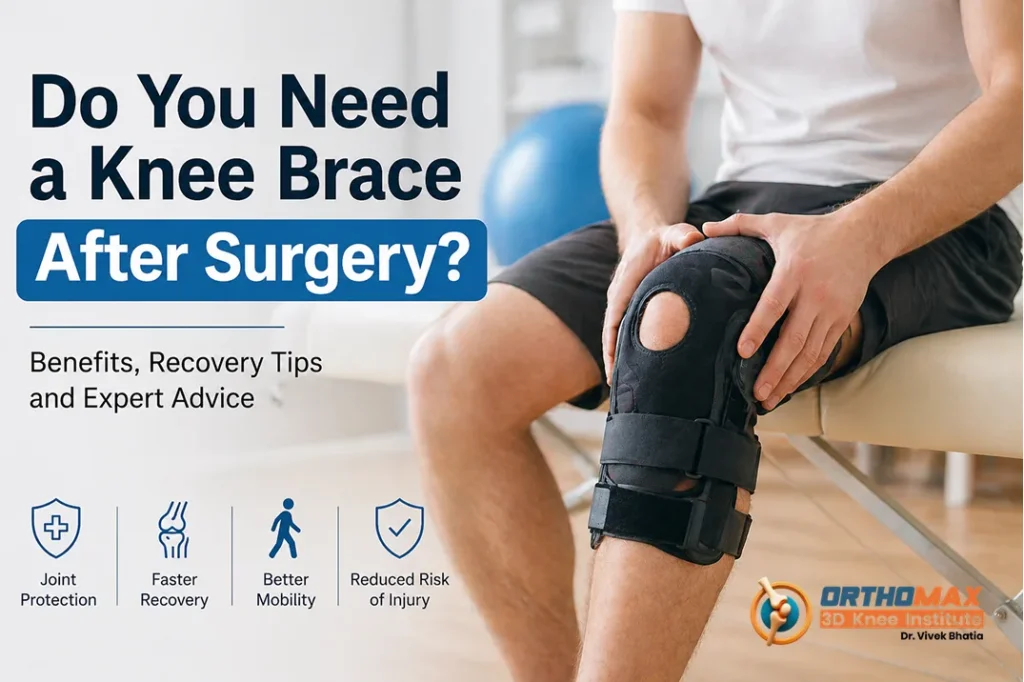

Do You Need a Knee Brace After Surgery?

Do You Need a Knee Brace After Surgery? If you’ve recently undergone knee surgery, one of the most common questions is: do you need a knee brace after surgery? Whether it’s ligament repair, ACL reconstruction, or knee support for knee replacement, a brace is often recommended to protect your joint and promote healing. However, not every patient requires a brace, and the decision depends on multiple factors such as the type of surgery, recovery progress, and your doctor’s advice. In this guide, we’ll break down when a knee brace is necessary, its benefits, and how it supports recovery—especially in the Indian healthcare context. What Is a Knee Brace and How Does It Help? A knee brace is an orthopedic support device designed to stabilize the knee joint, limit harmful movement, and aid recovery after surgery or injury. Key Functions of a Knee Brace: Provides stability to weakened joints Reduces strain on ligaments and muscles Controls range of motion Helps manage pain and swelling Supports safe mobility during recovery For patients needing knee support for knee replacement, braces can be particularly useful in the early recovery phase. You May Need a Knee Brace If: You had ACL or ligament reconstruction Your knee is unstable after surgery Your doctor wants to limit joint movement You’re at risk of re-injury You May Not Need It If: Your surgery was minimally invasive You have strong muscle support Your doctor prioritizes early mobility Medical Insight: Studies suggest that structured rehabilitation combined with selective brace use improves recovery outcomes by up to 30% in ligament surgeries. Knee Support for Knee Replacement: Is It Necessary? Patients undergoing knee replacement often ask about knee support for knee replacement and whether braces are essential. After Knee Replacement Surgery: Braces are not always mandatory They may be used in high-risk cases Physiotherapy plays a bigger role When Braces Are Recommended: Poor muscle strength Balance issues Risk of falls Complex surgical cases In India, many orthopedic surgeons focus more on rehabilitation exercises rather than prolonged brace use. Types of Knee Braces Used After Surgery Choosing the right brace is crucial for recovery. 1. Functional Knee Braces Used after ligament surgeries to support movement. 2. Hinged Knee Braces Provide strong lateral support and control motion. 3. Compression Sleeves Help reduce swelling and improve blood flow. 4. Immobilizer Braces Keep the knee completely straight after surgery. Each type serves a different purpose depending on whether you need knee support for knee replacement or ligament recovery. Benefits of Using a Knee Brace After Surgery 1. Enhanced Stability Braces prevent unwanted movement, reducing injury risk. 2. Faster Healing Support They create a controlled environment for tissue repair. 3. Pain Reduction Compression and support help manage discomfort. 4. Confidence While Walking Patients feel safer during early mobility. 5. Protection Against Re-Injury Especially important in active individuals. How Long Should You Wear a Knee Brace? The duration depends on your condition: ACL Surgery: 2–6 weeks Knee Replacement: Optional, short-term use Minor Procedures: Few days to weeks Doctors usually recommend gradually reducing brace usage as strength improves. Risks of Overusing a Knee Brace While braces are helpful, excessive use can lead to: Muscle weakness Dependency on external support Reduced natural joint stability That’s why experts recommend combining brace use with physiotherapy. Recovery Tips for Better Results To maximize recovery: 1. Follow Physiotherapy Strictly Exercise is key to regaining strength. 2. Maintain a Healthy Diet Protein and calcium support healing. 3. Avoid Overexertion Give your body time to recover. 4. Use Assistive Devices if Needed Walkers or crutches may help initially. 5. Monitor Pain and Swelling Consult your doctor if symptoms worsen. FAQs: Do You Need Knee Brace After Surgery 1. Do all patients need a knee brace after surgery? No, it depends on the type of surgery and doctor’s advice. 2. Is a knee brace required after knee replacement? Not always, but it can help in specific cases. 3. Can wearing a brace slow recovery? Yes, if overused without physiotherapy. 4. Which knee brace is best after surgery? It depends on your condition—hinged or functional braces are common. 5. When can I stop using a knee brace? Once your doctor confirms sufficient strength and stability. Conclusion So, do you need a knee brace after surgery? The answer varies from patient to patient. While braces provide valuable support, especially for ligament injuries and knee support for knee replacement, they are not always mandatory. The key to successful recovery lies in a balanced approach—using support when needed while focusing on physiotherapy and strengthening exercises. Always follow your doctor’s advice, monitor your progress, and avoid overdependence on braces. With the right care and guidance, you can achieve a smooth and successful recovery journey.

When Is It Safe to Travel After Knee Replacement?

When Is It Safe to Travel After Knee Replacement? Recovering from knee surgery can feel like a long journey, and one of the most common concerns patients have is travel after knee replacement surgery India. Whether it’s a short car ride, train journey, or air travel, knowing the right time to travel is essential for safety and comfort. In this guide, we’ll break down the best time to travel after knee surgery, backed by medical insights, recovery timelines, and practical tips tailored for patients in India. Understanding Recovery Before Travel Before planning travel after knee replacement surgery India, it’s important to understand how recovery works. A standard knee replacement recovery typically follows this timeline: Week 1–2: Pain, swelling, limited movement Week 3–6: Improved mobility with physiotherapy Week 6–12: Increased strength and independence 3 months+: Near-normal function in most patients According to orthopedic studies, over 90% of patients regain functional mobility within 12 weeks, but complete recovery can take up to 6 months. This directly impacts the best time to travel after knee surgery, especially for long-distance trips. Best Time to Travel After Knee Surgery Let’s get straight to the answer most people are searching for: Short Distance Travel (Car or Local Travel) Safe after: 2–3 weeks Conditions: Able to sit comfortably Minimal pain and swelling Regular breaks every 30–45 minutes Short trips are usually the first step in travel after knee replacement surgery India, especially within cities. Train Travel in India Safe after: 4–6 weeks Why: More space to stretch compared to flights Easier movement reduces stiffness For many patients, train journeys are considered the best time to travel after knee surgery before attempting flights. Air Travel (Domestic & International) Safe after: Short flights: 6–8 weeks Long-haul flights: 10–12 weeks Air travel carries a risk of Deep Vein Thrombosis (DVT), a blood clot condition. Medical Fact: Post-surgery patients have a 2–4x higher risk of DVT within the first 6 weeks. That’s why timing is critical for travel after knee replacement surgery India. Why Timing Matters for Travel After Knee Replacement Surgery India Traveling too early can lead to complications such as: Increased swelling and pain Blood clots (DVT) Delayed healing Joint stiffness The best time to travel after knee surgery is when: ✔ You can walk without support (or minimal support)✔ Swelling is controlled✔ You can sit for extended periods✔ Your doctor gives clearance Doctor Recommendations (India-Specific) Orthopedic specialists in India generally advise: Avoid long travel for at least 6 weeks Wear compression stockings during travel Continue prescribed blood thinners if advised Perform leg exercises during travel These steps make travel after knee replacement surgery India safer and more comfortable. Smart Travel Tips After Knee Replacement No matter when you travel, these tips can reduce risks: During Travel: Stretch your legs every 30–60 minutes Stay hydrated Avoid crossing legs Use aisle seats (for flights/trains) Before Travel: Consult your doctor Carry medical reports Wear comfortable clothing After Travel: Elevate your leg Apply ice if swelling occurs Resume physiotherapy Following these ensures you travel safely at the best time to travel after knee surgery. Real Patient Scenario A 62-year-old patient from Delhi underwent knee replacement and planned travel: Week 3: Short car rides (10–15 km) Week 5: Train journey to nearby city Week 9: Domestic flight (2 hours) This gradual approach reflects the safest pattern for travel after knee replacement surgery in India. Travel Type Comparison (Quick Guide) Travel Type Safe Timeline Risk Level Car (short) 2–3 weeks Low Train 4–6 weeks Moderate Flight (short) 6–8 weeks Moderate Flight (long) 10–12 weeks Higher Use this table to decide the best time to travel after knee surgery based on your situation. Signs You Are NOT Ready to Travel Avoid travel if you experience: Severe pain or swelling Limited mobility Signs of infection Fatigue or instability Ignoring these can delay recovery and make travel after knee replacement surgery India risky. Special Considerations for India Travel Traveling in India has unique challenges: Long road journeys Traffic delays Limited legroom in public transport So, the best time to travel after knee surgery in India may require extra caution compared to other countries. FAQs 1. How soon can I travel after knee replacement surgery in India? Most patients can start short travel within 2–3 weeks, but long-distance travel should wait 6–12 weeks. 2. What is the best time to travel after knee surgery? The best time to travel after knee surgery is when pain is controlled, mobility improves, and your doctor approves—usually after 6 weeks. 3. Is flying safe after knee replacement? Yes, but only after 6–8 weeks for short flights and 10–12 weeks for long flights due to DVT risk. 4. Can I sit for long hours after knee surgery? Not initially. You should avoid sitting for long periods in the first 4–6 weeks. 5. What precautions should I take while traveling? Wear compression stockings, stay hydrated, move frequently, and follow doctor advice. Conclusion Recovering properly should always be your top priority before planning any journey. While travel after knee replacement surgery India is achievable, it must be approached with caution and the right timing. Rushing into travel too early can increase the risk of complications such as swelling, discomfort, or even blood clots. Most patients can manage short-distance travel within a few weeks, but longer trips—especially flights—should only be considered after adequate healing and medical clearance. Listening to your body and tracking your recovery milestones is essential. Understanding the best time to travel after knee surgery helps ensure both safety and comfort during your journey. Always consult your doctor before making travel plans, follow prescribed precautions, and take breaks to stay mobile during travel. With proper planning, gradual progress, and the right support, you can confidently resume travel without affecting your recovery or overall health.

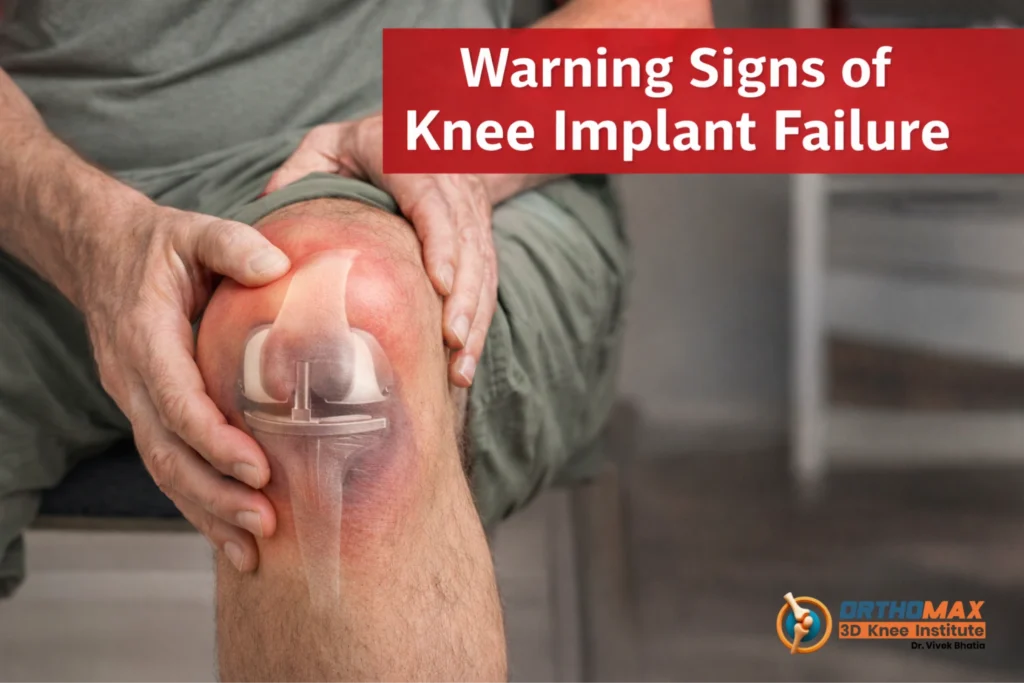
Why Recognizing Knee Implant Failure Symptoms Matters

Why Recognizing Knee Implant Failure Symptoms Matters Knee replacement surgery is widely considered one of the most successful orthopedic procedures, with over 90–95% success rates lasting 15–20 years. However, in some cases, complications can arise. Recognizing knee implant failure symptoms early can help prevent severe damage, reduce pain, and avoid complex revision surgeries. If you’re experiencing discomfort after surgery, understanding the signs of knee replacement failure is crucial. Early detection can mean the difference between simple treatment and major corrective procedures. Why Early Detection Matters After knee replacement surgery, it’s common to feel some discomfort during recovery. However, not all pain or symptoms are part of normal healing. Many patients ignore early warning signs, assuming they will improve with time—but this delay can sometimes make the condition worse. Early detection allows doctors to identify small issues before they turn into serious complications. When problems like implant loosening, infection, or alignment issues are caught early, they can often be managed with simple treatments instead of major surgery. Acting early can help you: Prevent worsening damage: Minor issues can progress if left untreated, affecting the implant and surrounding tissues. Reduce pain and complications: Early treatment helps control symptoms before they become severe. Avoid costly revision surgery: In many cases, timely care can eliminate the need for a second surgery. Maintain long-term mobility: Addressing problems early ensures better movement and quality of life.  In simple terms, the sooner you recognize that something isn’t right, the easier, safer, and more affordable your treatment will be. Common Knee Implant Failure Symptoms In India and globally, knee replacements are increasing rapidly due to aging populations and lifestyle factors. Studies show: Around 5–10% of knee replacements fail within 10–15 years Infection-related failures occur in 1–2% of cases Implant loosening is the most common cause of failure These numbers highlight why monitoring knee implant failure symptoms is essential. 1. Persistent or Increasing Pain Mild pain is expected during recovery. However, persistent or worsening pain months or years later is one of the earliest signs of knee replacement failure. Red flags: Pain that increases over time Pain during walking or weight-bearing Night pain that disrupts sleep This could indicate: Implant loosening Infection Wear and tear of the prosthesis 2. Swelling That Doesn’t Go Away Some swelling is normal after surgery, but chronic swelling is not. Warning signs: Swelling lasting more than 6 months Sudden swelling after years of stability Warmth around the joint Persistent swelling is a key knee implant failure symptom, often linked to: Infection Fluid buildup Implant instability 3. Stiffness and Reduced Mobility If your knee feels stiff or difficult to move, it may indicate a problem. Signs to watch: Difficulty bending or straightening the knee Reduced range of motion over time Feeling of tightness or locking This is one of the most overlooked signs of knee replacement failure, especially in older patients. 4. Clicking or Grinding Sounds Occasional sounds may happen, but persistent noises can signal a problem. Concerning sounds: Clicking or popping Grinding sensation Feeling something “moving” inside These knee implant failure symptoms may suggest: Misalignment Worn-out implant parts Loose components 5. Instability or Knee Giving Way A stable knee is the primary goal of replacement surgery. If your knee feels unstable, take it seriously. Key indicators: Knee buckling while walking Difficulty standing for long periods Feeling like the knee may collapse Instability is a strong indicator of signs of knee replacement failure, often caused by ligament imbalance or implant loosening. 6. Signs of Infection  Infection is one of the most serious causes of failure. Symptoms include: Fever Redness around the knee Drainage from the surgical site Severe pain with swelling In India, infection risks can slightly increase due to environmental factors and post-surgical care challenges. Early detection of these knee implant failure symptoms is critical. 7. Decreased Function Over Time Your knee should improve after surgery—not worsen. Warning signs: Difficulty walking after initial recovery Reduced ability to climb stairs Loss of strength in the joint These gradual signs of knee replacement failure often go unnoticed until the condition worsens. What Causes Knee Implant Failure? Understanding the causes helps you connect symptoms early: Common causes: Implant loosening (most common) Infection Wear and tear over time Improper alignment during surgery Excess body weight (BMI >30 increases risk by 2–3x) High-impact activities What to Do If You Notice These Symptoms If you experience any warning signs, don’t panic—but don’t delay either. Take these steps immediately: Reduce strain on the knee Avoid high-impact activities Use ice to control swelling Consult an orthopedic specialist Early action can often prevent major complications. When Should You See a Doctor? Seek medical attention immediately if you notice: Persistent knee implant failure symptoms Sudden increase in pain or swelling Signs of infection Instability or inability to walk Early consultation can prevent complete implant failure. How Doctors Identify Implant Failure Doctors may recommend: X-rays to check alignment and loosening MRI or CT scans for detailed imaging Blood tests to detect infection Joint aspiration to analyze fluid Accurate diagnosis is key to addressing signs of knee replacement failure effectively. Treatment Options The treatment for knee implant failure depends largely on how early the problem is identified and how severe it has become. In many cases, if symptoms are detected early, doctors can manage the condition without surgery. However, advanced complications may require a more permanent solution. 1. Non-Surgical Options When the issue is mild or in its early stages, doctors usually start with conservative treatments. These aim to reduce pain, improve function, and slow down further damage. a) Physiotherapy Helps strengthen the muscles around the knee, improve stability, and reduce stress on the implant. It can also improve movement and decrease stiffness. b) Pain management Includes medications or therapies to control discomfort, allowing you to stay active and continue rehabilitation. c) Anti-inflammatory medications These help reduce swelling and inflammation, which are common causes of pain and restricted movement. These methods are most effective when the problem is identified early and the implant is still

Importance of Physiotherapy After Knee Replacement: Why It Matters

Importance of Physiotherapy After Knee Replacement: Why It Matters Recovering from knee replacement isn’t just about rest—it’s about moving the right way at the right time. Physiotherapy plays a crucial role in reducing pain, improving mobility, and helping you return to normal life safely. Most patients in India recover faster and avoid complications when they follow a structured physiotherapy plan. In India, where more than 2.5 lakh knee replacement surgeries are performed every year, patients who follow a proper physiotherapy routine recover significantly faster and experience better long-term results. Understanding how physiotherapy works and why it matters can help you achieve a smoother and more successful recovery. What Is Physiotherapy After Knee Replacement? Physiotherapy after knee replacement is a guided rehabilitation process designed to improve knee function after surgery. It focuses on: Restoring joint movement Strengthening muscles around the knee Reducing swelling and stiffness Improving balance and walking ability This process usually begins within 24–48 hours after surgery and continues for several weeks or months, depending on recovery progress. Why Physiotherapy is Important After Knee Replacement? 1. Faster Recovery and Improved Mobility Following a structured physiotherapy plan helps patients regain mobility up to 30–50% faster. Early movement prevents stiffness and promotes healing. 2. Pain Reduction Naturally Physiotherapy improves blood flow and reduces inflammation, helping control pain without overdependence on medication. 3. Prevents Post-Surgery Complications Skipping physiotherapy can lead to: Joint stiffness Muscle weakness Blood clots Regular sessions significantly reduce these risks. 4. Better Long-Term Outcomes Studies show that patients who complete physiotherapy programs report 90–95% higher satisfaction rates after knee replacement surgery. How Long Physiotherapy After Knee Replacement Is Required? One of the first questions patients ask after surgery is simple: how long will physiotherapy actually be needed? The answer depends on your recovery speed, but most people follow a structured timeline. In the first few weeks, the focus is on basic movement and reducing stiffness. As your strength improves, exercises become more advanced, helping you walk and perform daily activities more comfortably. Typical Recovery Timeline Week 1–3: Basic movement and gentle exercises Week 4–6: Strengthening and flexibility training Week 7–12: Advanced mobility and walking improvement 3–6 months: Full recovery and return to normal activities Most patients require physiotherapy for 8–12 weeks, although full recovery may take up to 6 months depending on age, health, and consistency. In India, many patients choose home physiotherapy, which typically costs between ₹500–₹1500 per session. Consistency is more important than the setting. What You May Feel During Recovery It’s natural to feel unsure about what recovery will be like. Many patients experience mild discomfort in the beginning, but this gradually improves with regular exercise. You may notice: Mild pain or tightness during exercises Gradual improvement in walking (walker → cane → independent) Difficulty in climbing stairs initially Morning stiffness that reduces with movement These are all normal signs of healing, and they improve with consistency. Daily Physiotherapy Routine (Simple Plan) Following a simple daily routine can make a big difference in recovery. Instead of doing everything at once, exercises are usually spread throughout the day. A typical routine includes: Morning: Gentle bending and stretching exercises Afternoon: Strength-building exercises like leg raises Evening: Walking practice with support if needed Spending 30–60 minutes daily on physiotherapy is usually enough to see progress. Types of Physiotherapy Exercises After Knee Replacement Recovery after knee replacement involves different types of exercises, each targeting mobility, strength, and daily function. These are usually introduced in stages as healing progresses.  Physiotherapy exercises after knee replacement are introduced in phases, starting with basic movement and progressing to strength and daily activities. 1. Range of Motion Exercises (Early Stage) These exercises are usually started within the first few days after surgery to improve flexibility and reduce stiffness. Common exercises include: Heel slides Knee bends Leg extensions  These help restore the knee’s ability to bend and straighten properly. 2. Strengthening Exercises (Recovery Phase) Once basic movement improves, strengthening exercises are added to support the knee joint and surrounding muscles. Examples: Straight leg raises Quadriceps sets Hamstring curls Strong muscles reduce pressure on the knee and improve stability. 3. Walking and Balance Training (Progressive Stage) As recovery progresses, patients are guided to improve walking and balance step by step. Typical progression: Walker → Cane → Independent walking This stage focuses on building confidence and preventing falls. 4. Functional Training (Daily Life Activities) The final stage focuses on helping patients return to normal daily activities. Includes: Climbing stairs Sitting and standing Light household tasks The goal is to regain independence in everyday life. Home vs Clinic Physiotherapy After knee replacement surgery, choosing between home and clinic physiotherapy depends on your recovery stage, mobility, and comfort level. Both approaches have their own advantages, and most patients don’t need to stick to just one option. Instead, understanding how each works can help you make a better decision. 1. Home Physiotherapy Home physiotherapy is often preferred during the early stages of recovery when movement is limited and comfort is a priority. It allows patients to recover in a familiar environment without the stress of travel. Comfortable and convenient Ideal for elderly patients or those with limited mobility Focused, personalized care This option works best in the initial recovery phase, especially when pain and stiffness are higher. 2. Clinic-Based Physiotherapy As recovery progresses, clinic-based physiotherapy becomes more beneficial due to access to better equipment and structured rehabilitation programs. It also allows therapists to monitor progress more closely. Access to advanced equipment Professional supervision Can improve strength and mobility faster in later stages This is more suitable for the advanced recovery phase, when mobility improves. In most cases, a combination of both approaches delivers the best results. Patients often begin with home physiotherapy and gradually transition to clinic sessions as their strength and confidence improve. The key is consistency—regular physiotherapy matters more than where you do it. Common Challenges During Physiotherapy Recovery is not always smooth, and some challenges are normal. Understanding them can help you stay motivated. Pain during exercise:

Best Diet Plan After Knee Replacement Surgery

Best Diet Plan After Knee Replacement Surgery Knee replacement surgery is a major step toward living a pain-free and active life. While surgical techniques and physiotherapy play an important role in recovery, nutrition is often an overlooked factor that significantly influences healing speed, strength recovery, and long-term joint health. Following the right diet plan after knee replacement surgery helps reduce inflammation, promote tissue repair, strengthen muscles, and improve overall recovery outcomes. A balanced nutritional approach can also lower complications and help patients regain mobility faster. This guide explains the best diet plan to follow after knee replacement surgery and which foods support optimal healing. Why Diet Matters After Knee Replacement Surgery After surgery, the body enters a healing phase that requires additional nutrients and energy. Proper nutrition helps: Repair tissues and surgical wounds Strengthen muscles around the knee joint Reduce swelling and inflammation Boost immunity to prevent infections Maintain healthy body weight Improve energy levels during rehabilitation Patients who follow a healthy post-surgery diet often experience smoother recovery and better functional outcomes. Key Nutrients Needed After Knee Replacement A successful recovery diet focuses on specific nutrients that aid healing and bone health. 1. Protein – The Building Block of Recovery Protein is essential for tissue repair, muscle rebuilding, and wound healing. Surgery causes muscle loss, and adequate protein intake helps restore strength. Best protein sources: Eggs Lean chicken or fish Paneer and tofu Lentils and dals Greek yogurt or curd Nuts and seeds Aim to include protein in every meal to support continuous healing. 2. Calcium for Bone Strength Calcium supports bone health and helps the implant integrate well with surrounding bone structures. Calcium-rich foods include: Milk and dairy products Ragi (finger millet) Sesame seeds Almonds Green leafy vegetables like spinach and broccoli Adequate calcium intake is especially important for older adults. 3. Vitamin D for Better Absorption Vitamin D helps the body absorb calcium effectively and supports bone healing. Sources of Vitamin D: Morning sunlight exposure (15–20 minutes) Fortified dairy products Egg yolks Fatty fish such as salmon Doctors may recommend supplements if levels are low. 4. Vitamin C for Wound Healing Vitamin C helps produce collagen, which is necessary for tissue repair and faster healing of surgical incisions. Include foods like: Oranges and sweet lime Amla (Indian gooseberry) Guava Bell peppers Tomatoes These foods also strengthen immunity. 5. Iron for Energy and Recovery Blood loss during surgery may reduce iron levels, leading to fatigue or weakness. Iron-rich foods: Spinach Beetroot Dates and raisins Legumes Lean meats Pair iron foods with Vitamin C sources for better absorption. 6. Anti-Inflammatory Foods Inflammation is natural after surgery, but certain foods help control excessive swelling and pain. Anti-inflammatory options include: Turmeric (haldi) Ginger Walnuts Flaxseeds Olive oil Fresh fruits and vegetables These foods support joint recovery and reduce stiffness. Sample Diet Plan After Knee Replacement Surgery Here is a simple daily meal structure patients can follow. Morning (Empty Stomach) Warm water with lemon or soaked almonds Light stretching or prescribed exercises Breakfast Vegetable oats or poha Boiled eggs or paneer Milk or herbal tea Fresh fruit Mid-Morning Snack Coconut water or buttermilk Fruit like papaya or apple Lunch Whole wheat roti or brown rice Dal or grilled chicken/fish Green vegetables Salad with cucumber and carrots Curd Evening Snack Roasted chana or nuts Green tea Dinner (Light Meal) Vegetable soup or khichdi Paneer/tofu or lentils Steamed vegetables Before Bed Turmeric milk (optional) for recovery and better sleep Foods to Avoid After Knee Replacement Surgery Certain foods can slow healing or increase inflammation and should be limited. 1. Processed and Junk Foods High salt and unhealthy fats increase swelling and delay recovery. 2. Sugary Foods and Soft Drinks Excess sugar promotes inflammation and weight gain. 3. Excess Salt Too much sodium may cause water retention and swelling around the joint. 4. Alcohol and Smoking Both interfere with healing, bone health, and medication effectiveness. 5. Deep-Fried Foods They increase inflammation and reduce overall recovery efficiency. Importance of Hydration Water plays a major role in recovery by improving circulation and preventing constipation, a common issue after surgery due to reduced mobility and medications. Tips for hydration: Drink 2–3 liters of water daily Include soups and coconut water Avoid excessive caffeinated drinks Proper hydration also supports joint lubrication and overall energy levels. Weight Management After Surgery Maintaining a healthy weight reduces pressure on the new knee joint. Even small weight gain can increase stress on the implant and affect long-term outcomes. Focus on: Balanced portions High-protein meals Fiber-rich foods for digestion Avoiding overeating during reduced activity periods A controlled diet combined with physiotherapy helps patients regain mobility safely. Role of Supplements Some patients may require supplements depending on medical advice, including: Calcium Vitamin D Protein supplements Iron tablets Always consult your doctor before taking supplements to avoid interactions with medications. Recovery Tips Along With Diet Nutrition works best when combined with healthy recovery habits: Follow physiotherapy regularly Eat small, frequent meals Sleep 7–8 hours daily Avoid prolonged sitting Follow medication schedules properly Consistency in both diet and rehabilitation ensures faster improvement. Conclusion A well-planned diet after knee replacement surgery is just as important as the surgical procedure itself. The right balance of protein, vitamins, minerals, and anti-inflammatory foods helps accelerate healing, restore strength, and support long-term joint function. By focusing on nutritious meals, proper hydration, and weight management, patients can enhance recovery and return to daily activities with confidence. Always follow personalized dietary advice from your healthcare provider to match your age, health condition, and recovery progress.

Most Common Myths About Knee Replacement—Debunked

Most Common Myths About Knee Replacement—Debunked Knee pain can severely impact daily life, and for many people, surgery becomes the best option. However, knee replacement myths often create fear, confusion, and unnecessary delays in treatment. Misconceptions about pain, recovery, and outcomes prevent patients from making informed decisions—even though the knee replacement success rate is higher than ever. In this blog, we’ll break down the most common myths, support them with data, and give you clear, practical insights so you can confidently evaluate whether knee replacement is right for you. Understanding Knee Replacement and Its Success Rate Before diving into knee replacement myths, it’s important to understand the basics. A knee replacement (also called knee arthroplasty) involves replacing damaged joint surfaces with artificial implants to restore function and reduce pain. Key Facts: The knee replacement success rate is around 90–95% for pain relief and improved mobility. Most implants last 15–25 years, depending on lifestyle and care. Over 700,000 knee replacements are performed annually worldwide. Despite these strong outcomes, myths continue to hold people back. Myth 1: Knee Replacement Is Only for the Elderly This is one of the most widespread knee replacement myths. The Truth: Knee replacement is no longer limited to older adults. Many patients in their 40s and 50s undergo surgery due to: Sports injuries Arthritis Joint degeneration With advancements in implant technology, younger patients can also benefit significantly. Reality Check: Age is not the deciding factor—pain level and mobility limitations are. Myth 2: The Surgery Is Extremely Painful Fear of pain is a major reason people avoid surgery. The Truth: Modern techniques have transformed the experience: Minimally invasive procedures reduce tissue damage Advanced anesthesia improves comfort Post-surgery pain is managed effectively with medication Most patients report that:Post-surgery pain is less severe than chronic knee pain they lived with before surgery. Myth 3: Recovery Takes Years Another misleading belief surrounding knee replacement myths is that recovery is extremely long. The Truth: Recovery timelines are much faster today: Walking begins within 24–48 hours Most daily activities resume in 4–6 weeks Full recovery takes about 3–6 months Physiotherapy plays a crucial role in speeding up recovery. Patients who follow rehab plans properly often regain mobility faster than expected. Myth 4: Knee Replacement Is Not Safe Some people believe surgery carries high risks. The Truth: Knee replacement is considered a safe and routine procedure. Statistics: Success rates exceed 90% Complication rates are less than 2% Infection risk is very low with modern sterile techniques The high knee replacement success rate proves that complications are rare when performed by experienced surgeons. Myth 5: Artificial Knees Don’t Feel Natural Many patients worry about losing natural movement. The Truth: Modern implants are designed to mimic natural knee motion. Most patients experience: Smooth joint movement Improved flexibility Significant pain reduction While it may not feel exactly like a natural knee, it feels far better than a damaged one. Myth 6: You Can’t Be Active After Surgery This is one of the most limiting knee replacement myths. The Truth: After recovery, patients can enjoy: Walking Swimming Cycling Light sports High-impact activities like running or jumping may be restricted, but overall activity levels improve significantly. Many patients return to a more active lifestyle than before surgery. Myth 7: Knee Replacement Wears Out Quickly Concerns about implant lifespan often delay decisions. The Truth: Modern implants are highly durable. Data: 90% of implants last 15–20 years Many last 25 years or more with proper care Factors affecting longevity: Weight management Activity level Overall health The improved knee replacement success rate reflects better materials and surgical techniques. Myth 8: You Should Delay Surgery as Long as Possible People often believe waiting is better. The Truth: Delaying surgery can actually worsen the condition: Increased joint damage Muscle weakness Reduced mobility Early intervention often leads to better outcomes and faster recovery. Myth 9: Both Knees Cannot Be Replaced Together Some believe only one knee can be treated at a time. The Truth: In certain cases, bilateral knee replacement is possible. Benefits include: Single hospitalization One recovery period Lower overall cost However, suitability depends on: Age Health condition Surgeon recommendation Myth 10: Physiotherapy Isn’t Necessary Skipping rehab is a common mistake. The Truth: Physiotherapy is essential for success. Without it: Mobility may remain limited Recovery slows down Results are compromised Rehabilitation directly impacts the knee replacement success rate. Real Outcomes: What Patients Actually Experience Let’s look at realistic expectations: Before Surgery: Chronic pain Limited mobility Reduced quality of life After Surgery: Significant pain relief Improved movement Better independence Studies show:Over 85% of patients report improved quality of life after knee replacement. Who Should Consider Knee Replacement? You may be a candidate if: Pain persists despite medication Walking or climbing stairs is difficult Knee stiffness limits daily activities Non-surgical treatments fail  Always consult an orthopedic specialist for evaluation. How to Improve Knee Replacement Success To maximize results: Follow physiotherapy strictly Maintain a healthy weight Stay active but avoid high-impact stress Attend regular follow-ups These steps help maintain a high knee replacement success rate over time. FAQs About Knee Replacement Myths 1. What is the actual knee replacement success rate? The success rate is around 90–95%, with most patients experiencing long-term pain relief and improved mobility. 2. Is knee replacement surgery very painful? No. With modern techniques, pain is well-managed, and most patients feel better than before surgery. 3. How long does recovery take? Basic recovery takes 4–6 weeks, while full recovery may take 3–6 months. 4. Can younger people undergo knee replacement? Yes. Age is not a barrier if joint damage is severe. 5. Will I be able to walk normally again? Yes. Most patients regain normal or near-normal walking ability after recovery. 6. How long does a knee implant last? Typically 15–25 years, depending on lifestyle and care. 7. Is physiotherapy necessary after surgery? Absolutely. It is critical for mobility and long-term success. Conclusion: Don’t Let Myths Delay Your Mobility Believing in outdated knee replacement myths can prevent you from living a pain-free

Life After Knee Replacement: Mobility, Exercise & Lifestyle

Life After Knee Replacement: Mobility, Exercise & Lifestyle Recovering and adjusting to life after knee replacement surgery can feel overwhelming at first. Many patients worry about how long recovery will take, when they can walk normally again, and what activities they will be able to do in the future. The good news is that with the right rehabilitation plan, exercise routine, and lifestyle adjustments, most people regain mobility and significantly improve their quality of life. In fact, research shows that more than 90% of knee replacement patients experience significant pain relief and improved mobility within a year of surgery. Understanding what to expect during recovery and how to care for your knee properly can make a major difference in how quickly you return to normal daily activities. This guide explains everything you need to know about life after knee replacement surgery, including recovery timeline, exercises, mobility tips, and lifestyle changes that help protect your new joint. Understanding Knee Replacement Recovery Time One of the most common questions patients ask is about knee replacement recovery time. While recovery varies for every individual, most people follow a general timeline. Typical Recovery Timeline Week 1–3 Walking with a walker or crutches Beginning physical therapy exercises Managing swelling and pain   Week 4–6 Increased walking ability Reduced pain and stiffness Improved knee bending and flexibility   Month 3 Walking without support in many cases Performing most daily activities Returning to light work   6–12 Months Full recovery and improved joint strength Participation in low-impact sports Long-term joint stability According to orthopedic studies, over 85% of patients regain functional mobility within 3 months, although full healing continues for up to a year. Understanding the expected knee replacement recovery time helps patients stay patient and consistent with rehabilitation. Mobility After Knee Replacement Surgery Regaining movement and independence is one of the biggest goals in life after knee replacement surgery. The artificial knee joint is designed to restore normal movement and reduce pain caused by arthritis or injury. Early Mobility Goals Doctors encourage patients to begin moving the knee within 24 hours after surgery. Early mobility helps: Prevent blood clots Improve circulation Strengthen surrounding muscles Reduce stiffness Tips to Improve Mobility Patients can improve movement during life after knee replacement surgery by following these strategies: Follow a structured physiotherapy programProfessional physiotherapy is crucial for strengthening muscles around the knee. Walk regularlyShort daily walks help rebuild confidence and improve joint flexibility. Maintain a healthy weightExcess weight puts pressure on the artificial joint and may slow recovery. Use support when neededWalkers and canes provide stability during early knee replacement recovery time. With consistent rehabilitation, many patients return to independent walking within a few weeks. Best Exercises After Knee Replacement Exercise is essential for improving strength and flexibility during life after knee replacement surgery. However, exercises should be done gradually and under medical guidance. 1. Straight Leg Raises This exercise strengthens the thigh muscles that support the knee. Steps: Lie flat on your back Keep one leg straight and lift it slowly Hold for 5 seconds and lower Repeat 10–15 times daily. 2. Knee Bending Exercise This helps improve knee flexibility. Steps: Sit on a chair Slowly bend your knee back Hold for a few seconds Perform 10 repetitions twice daily. 3. Ankle Pumps These improve circulation and reduce swelling. Steps: Move your foot up and down Repeat for 30–60 seconds This simple exercise is often recommended during early knee replacement recovery time. 4. Walking Walking remains the most effective activity during life after knee replacement surgery. Benefits include: Strengthening muscles Improving balance Enhancing joint mobility Doctors recommend gradually increasing walking distance over several weeks. Lifestyle Changes After Knee Replacement Adjusting daily habits is essential for maintaining joint health and improving life after knee replacement surgery. Maintain a Healthy Weight Every extra kilogram adds pressure to the knee joint. Maintaining a healthy weight reduces stress on the artificial knee and improves long-term results. Choose Low-Impact Activities Patients should focus on activities such as: Walking Swimming Cycling Yoga These activities improve fitness without damaging the joint. Avoid High-Impact Sports Sports like running, jumping, or basketball may place excessive strain on the knee implant. Doctors often recommend avoiding these activities during life after knee replacement surgery. Improve Home Safety During knee replacement recovery time, small adjustments at home can prevent injuries. Examples include: Installing grab bars in bathrooms Using non-slip mats Keeping pathways clear These changes help patients move confidently while recovering. Long-Term Benefits of Knee Replacement Understanding the long-term benefits helps patients stay motivated during life after knee replacement surgery. Pain Relief Studies show that over 90% of patients experience significant pain reduction after surgery. Improved Mobility Patients often regain the ability to: Walk longer distances Climb stairs comfortably Perform daily tasks independently Better Quality of Life Improved mobility and reduced pain allow patients to return to hobbies, travel, and social activities. These improvements make life after knee replacement surgery significantly more active and fulfilling. Tips for Faster Knee Replacement Recovery Time Patients can improve healing speed with the following strategies. Follow Your Physiotherapy Routine Consistent physical therapy helps restore strength and flexibility. Manage Swelling Elevating the leg and using ice packs can reduce swelling during knee replacement recovery time. Eat a Nutrient-Rich Diet Foods rich in protein, calcium, and vitamins support tissue healing and bone strength. Stay Consistent With Medication Pain management medications allow patients to participate fully in rehabilitation exercises. Following these tips can significantly improve life after knee replacement surgery. FAQs How long does knee replacement recovery time take? Most patients recover enough to perform daily activities within 6–12 weeks, while full recovery may take 6–12 months depending on age, health, and rehabilitation. When can I walk normally after knee replacement surgery? Many patients begin walking with support within 1–2 days after surgery and transition to independent walking within 4–6 weeks. Can I exercise during life after knee replacement surgery? Yes. Low-impact exercises such as walking, cycling, and physiotherapy movements are recommended to improve mobility and strengthen

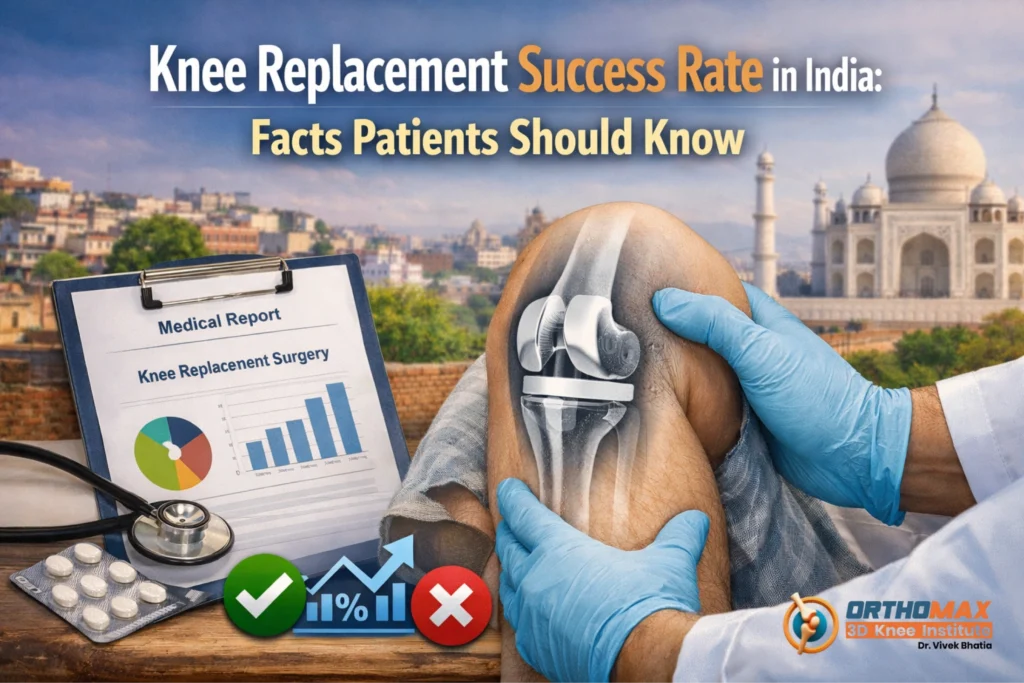
Knee Replacement Success Rate in India: Facts Patients Should Know

Knee Replacement Success Rate in India: Facts Patients Should Know Knee replacement surgery is one of the most successful orthopedic procedures available today. Many patients considering the procedure want to know the knee replacement surgery success rate before making a decision. Clinical studies show that 90–95% of knee replacement surgeries are successful, providing long-term pain relief and improved mobility for patients suffering from arthritis or severe joint damage. Understanding the success rate of total knee replacement, recovery expectations, and potential risks can help patients make informed healthcare decisions. Knee pain caused by arthritis, injury, or age-related wear can severely impact daily life. For many patients, surgery becomes the best option to restore mobility and reduce chronic pain. One of the most common questions patients ask is about the knee replacement surgery success rate. Understanding the success rate of knee replacement, recovery expectations, and long-term outcomes can help patients make confident healthcare decisions. This guide explains the success rate of total knee replacement, factors that influence surgical outcomes, and what patients should expect after surgery. Understanding Knee Replacement Surgery Knee replacement surgery, also known as total knee arthroplasty, involves replacing damaged cartilage and bone in the knee joint with artificial implants made of metal and medical-grade plastic. The procedure is usually recommended for patients suffering from: Severe osteoarthritis Rheumatoid arthritis Chronic knee pain and stiffness Reduced mobility affecting daily activities Knee deformity or joint damage By replacing the damaged joint surfaces, the surgery restores movement and significantly reduces pain. Due to advancements in medical technology, the knee replacement surgery success rate has improved significantly over the past two decades. Knee Replacement Surgery Success Rate in India India has become a global destination for orthopedic procedures because of skilled surgeons, modern hospitals, and affordable treatment costs. According to orthopedic research and reports from organizations such as the Indian Orthopaedic Association and the Indian Society of Hip and Knee Surgeons, total knee replacement is considered one of the most successful orthopedic procedures. Clinical studies show that the success rate typically ranges between 90% and 95%, with most patients experiencing significant pain relief and improved mobility. Key statistics include: 90–95% of patients report pain relief after surgery More than 85% regain normal walking ability Knee implants can last 15–25 years in most cases Over 150,000 knee replacements are performed annually in India These numbers highlight the high success rate of total knee replacement and why it remains one of the most commonly recommended joint replacement surgeries. Knee Replacement Surgery Success Rate Overview Factor Statistics Overall success rate 90–95% Pain relief rate 90%+ Implant lifespan 15–25 years Recovery time 3–12 months Annual surgeries in India 150,000+ Factors That Influence Knee Replacement Surgery Success Rate Although the overall knee replacement surgery success rate is high, several factors can influence the final outcome. 1. Age and Overall Health Patients between 50 and 75 years old typically experience the best outcomes. However, younger patients may also benefit if they maintain a healthy lifestyle and follow rehabilitation protocols. Chronic conditions such as diabetes, obesity, or heart disease can affect healing and recovery. 2. Surgeon Experience The expertise of the orthopedic surgeon plays a critical role in the success rate of total knee replacement. Surgeons who perform a high number of knee replacements each year often achieve better outcomes. 3. Type of Implant Used Modern knee implants are designed to last longer and mimic natural knee movement. High-quality implants contribute to the long-term knee replacement surgery success rate. 4. Rehabilitation and Physiotherapy Physical therapy after surgery is essential for regaining strength and mobility. Patients who follow their rehabilitation plan strictly tend to achieve better results. 5. Surgical Technology Robotic-assisted knee replacement and computer-guided surgery are improving precision and increasing the success rate of total knee replacement. How Long Does a Knee Replacement Last? Another important question patients ask is how long the artificial joint will function properly. Studies show that: A systematic review published in The Lancet (2019) analyzing national joint registries found that about 90–95% of knee replacements survive 15 years. The 2019 Lancet systematic review of joint replacement registries found that about 82% of knee replacements were still functioning after 25 years, with survival rates above 80% at 20 years. Large registry studies published in The Lancet have shown that approximately 80% of knee replacements may still function after 25 years. This long lifespan contributes to the high knee replacement surgery success rate, especially when patients maintain a healthy lifestyle. Factors that help implants last longer include: Maintaining a healthy body weight Avoiding high-impact activities Following physiotherapy recommendations Attending regular follow-up appointments Recovery Timeline After Knee Replacement Surgery Recovery varies from patient to patient, but most people follow a similar timeline. First Week Patients typically begin walking with assistance within 24–48 hours after surgery. Physiotherapy starts early to improve flexibility and prevent stiffness. 3–6 Weeks Most patients regain basic mobility and can walk with minimal support. Pain gradually decreases, and daily activities become easier. 3 Months By this time, many patients can walk comfortably, climb stairs, and resume light activities. 6 Months to 1 Year Full recovery may take up to 12 months, depending on age, fitness level, and rehabilitation efforts. Following the recovery plan is crucial for achieving the best knee replacement surgery success rate. Benefits of Total Knee Replacement The high success rate of total knee replacement is largely due to the life-changing benefits the procedure offers. Major benefits include: Significant pain relief Improved joint movement Better quality of life Ability to walk and perform daily activities Increased independence in older adults For many patients suffering from severe arthritis, knee replacement surgery restores mobility and reduces reliance on pain medications. Risks and Complications to Consider Although the knee replacement surgery success rate is high, every surgical procedure carries some risk. Possible complications include: Infection Blood clots Implant loosening Knee stiffness Nerve damage (rare) Fortunately, these complications occur in less than 5% of cases, and most are manageable with proper medical care. Choosing an experienced surgeon

Who Is an Ideal Candidate for Knee Replacement Surgery

Who Is an Ideal Candidate for Knee Replacement Surgery?

Who Is an Ideal Candidate for Knee Replacement Surgery? Chronic knee pain can significantly affect daily life. From difficulty walking to constant stiffness, severe knee problems can limit mobility and independence. Many patients eventually ask an important question: who needs knee replacement surgery and how do doctors decide when surgery is the best option? Understanding the signs you need knee replacement surgery can help patients make informed decisions and seek treatment at the right time. Knee replacement surgery, also known as total knee arthroplasty, is one of the most successful orthopedic procedures today. According to global orthopedic data, more than 1 million knee replacement surgeries are performed worldwide each year, with success rates above 90–95% for pain relief and improved mobility. In this article, we’ll explain who needs knee replacement surgery, the most common symptoms, medical conditions that require it, and when doctors recommend the procedure. What Is Knee Replacement Surgery? Knee replacement surgery is a medical procedure where a damaged knee joint is replaced with an artificial implant made from metal, plastic, or ceramic components. The surgery aims to: Relieve severe knee pain Restore joint function Improve mobility and quality of life Doctors usually recommend the procedure when non-surgical treatments such as medications, physiotherapy, or injections no longer relieve pain. Understanding who needs knee replacement surgery begins with evaluating the severity of joint damage and how much the condition affects daily activities. Who Needs Knee Replacement Surgery? Not every patient with knee pain requires surgery. However, certain conditions and symptoms indicate when joint replacement might be necessary. Patients who need knee replacement surgery usually experience: Severe knee pain that limits daily activities Persistent stiffness and swelling Knee deformity or joint damage Limited mobility despite treatment Chronic pain even while resting If conservative treatments fail to improve symptoms, orthopedic specialists may recommend surgery. Understanding who needs knee replacement surgery helps ensure patients receive the right treatment at the right stage of their condition. Signs You Need Knee Replacement Surgery Recognizing the signs you need knee replacement surgery can prevent worsening joint damage and long-term disability. Here are the most common warning signs doctors look for. 1. Severe Knee Pain During Everyday Activities One of the main signs you need knee replacement surgery is pain that interferes with normal activities such as: Walking Climbing stairs Sitting or standing Getting out of bed When knee pain becomes constant and limits mobility, it may indicate severe joint damage. 2. Chronic Knee Stiffness and Reduced Mobility Another major indicator when determining who needs knee replacement surgery is reduced range of motion. Patients may experience: Difficulty bending or straightening the knee Joint stiffness after long periods of rest Limited flexibility while walking These symptoms often occur in advanced arthritis cases. 3. Persistent Knee Swelling and Inflammation Long-term swelling is also among the common signs you need knee replacement surgery. Inflammation occurs when cartilage wears down and bones begin to rub against each other. This can cause: Joint tenderness Swelling that doesn’t respond to medication Warmth around the knee joint Persistent swelling is a clear sign that joint damage may be severe. 4. Ineffective Non-Surgical Treatments Doctors typically recommend conservative treatments before surgery. These include: Physical therapy Pain medications Corticosteroid injections Lifestyle changes and weight management However, if these treatments fail to reduce pain, doctors start evaluating who needs knee replacement surgery. When patients continue experiencing severe pain despite treatment, surgery may be the most effective option. 5. Difficulty Sleeping Due to Knee Pain Many patients experiencing advanced joint damage report pain even while resting. Night pain is considered one of the important signs you need knee replacement surgery, especially when: Pain wakes you up at night Pain occurs even while sitting or lying down Daily pain becomes constant At this stage, surgery often becomes the best solution. Medical Conditions That Often Require Knee Replacement Understanding who needs knee replacement surgery also involves identifying the underlying condition causing joint damage. Osteoarthritis Osteoarthritis is the most common reason for knee replacement surgery. It occurs when cartilage gradually wears down over time, causing pain and stiffness. Studies show that osteoarthritis accounts for nearly 90% of knee replacement procedures worldwide. Rheumatoid Arthritis Rheumatoid arthritis is an autoimmune disease that causes inflammation in the joints. Severe inflammation can damage cartilage and bone, eventually leading doctors to recommend surgery. Patients with advanced rheumatoid arthritis often experience multiple signs you need knee replacement surgery. Post-Traumatic Arthritis Joint injuries, fractures, or ligament damage can lead to arthritis years later. Patients with previous knee injuries often become candidates when doctors evaluate who needs knee replacement surgery. Best Age for Knee Replacement Surgery Age alone does not determine who needs knee replacement surgery. However, most patients undergoing knee replacement fall between 50 and 80 years old. Advancements in implant technology now allow younger patients with severe joint damage to undergo surgery if necessary. Doctors typically consider: Severity of pain Joint damage on imaging scans Impact on daily life These factors help determine whether surgery is appropriate. When Doctors Recommend Knee Replacement Orthopedic surgeons assess several factors before deciding who needs knee replacement surgery. These include: X-ray or MRI evidence of joint damage Persistent pain despite treatment Severe functional limitations Reduced quality of life When these criteria are met, surgery is often recommended to restore mobility and reduce pain. Benefits of Knee Replacement Surgery Understanding the benefits helps patients decide if they meet the criteria for who needs knee replacement surgery. Major benefits include: Significant pain relief Improved mobility Better joint stability Enhanced quality of life Clinical studies show that over 90% of knee replacement patients experience major improvement in pain and mobility after surgery. Recovery and Success Rate Modern knee replacement techniques allow patients to recover faster than before. Typical recovery timeline: Hospital stay: 1–3 days Walking with support: within 24 hours Physical therapy: 6–12 weeks Full recovery: 3–6 months Patients who experience several signs you need knee replacement surgery often report dramatic improvement after recovery. Most implants last 15–20 years or longer, making

Scroll to Top